Spectrum Design Group

interior design

Wellness in Interior Design. Designing for Wellness: A Natural Approach to Interior Design

Designing for Wellness: A Natural Approach to Interior Design

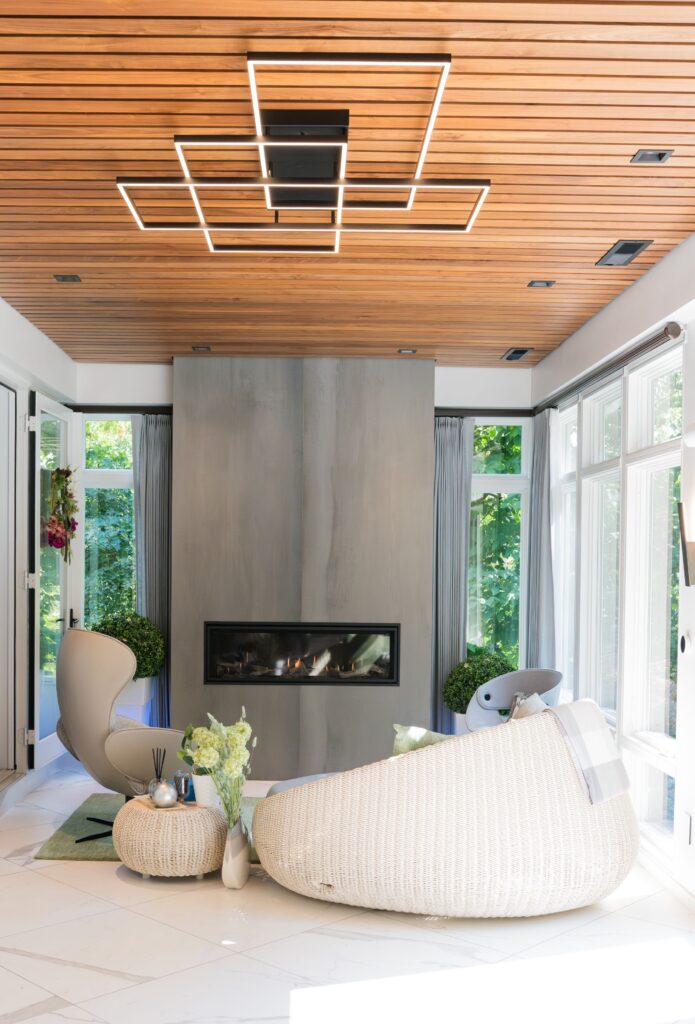
Key Takeaways for Designing for Wellness Designing for wellness means focusing on how a home supports daily life — Natural light, authentic materials, and thoughtful layouts create spaces that feel calm and restorative. Small changes make a big difference — You may not need a full renovation to improve how your home feels. Simple shifts in lighting, materials, and function can transform your space. Flexibility is essential — Homes that adapt to your changing needs become more livable and resilient over time. When a Walk Reminds You What Matters Most evenings after dinner, I walk with my son. It’s become our rhythm, just the two of us looping through the neighborhood, talking about his day, pointing out things we notice. He usually walks right beside me and often reaches for my hand when no one else is around (he just turned 12). We watch how the light shifts as the seasons change. These walks don’t take long, but they always leave me feeling more grounded. That’s the feeling I keep coming back to in my design work, that sense of slowing down, reconnecting, and making space to breathe. I believe homes have the potential to support wellness in small, steady ways. Not through big, showy features, but through the thoughtful choices that shape how we structure our days. And for many of the clients we work with, that’s becoming the real definition of luxury. What Designing for Wellness Actually Looks Like When clients come to us, they don’t always use the word “wellness.” But they describe it perfectly. They talk about wanting spaces that are calm, quiet, and functional. Homes that feel lighter. Layouts that make sense. Rooms that just feel good to be in, even if they can’t quite explain why. For me, designing for wellness starts with one simple question: How is this home being used? Not in theory. In reality. Who lives here? What are their daily routines? Where do they naturally gather? Where do they go when they need to recharge? By understanding this early in the process, we can create interiors that truly support the people who live in them. We don’t just style homes for the moment; we design them to last and evolve alongside you. Light, Materials, and Flow: The Quiet Influencers Wellness in interior design often comes down to three simple elements: light, materials, and flow. None of them are flashy, but all of them have a powerful impact. Natural light Light is everything. It shapes mood, energy, and even sleep. We look for ways to enhance it: expanding window views when possible, choosing reflective surfaces strategically, and using soft, layered lighting where daylight is limited. Even small changes in how a room catches light can completely shift how it’s experienced. Natural materials There’s something irreplaceable about real, honest materials—wood, stone, wool, linen. They bring warmth and texture that synthetic materials just can’t match. These are the elements that wear in, not out. And they tend to hold up better over time, both aesthetically and practically. (Plus, they just feel better to live with.) Ease of movement Flow is one of those things that’s easy to overlook but has a huge influence on daily stress levels. A room that’s awkwardly laid out or constantly cluttered creates friction you don’t realize you’re dealing with. We work to create layouts that match the natural rhythm of a household, whether that means opening up sightlines, creating smarter storage, or rethinking how rooms connect to each other. A Home That Adapts to You One of the most important, yet often underrated, aspects of home wellness is flexibility. Life doesn’t stand still. Families grow. Work situations shift. Needs evolve. We design with that in mind. A formal dining room might double as a study space. A guest bedroom might convert into a reading nook or office. We often zone open areas in subtle ways to create both connection and privacy when needed. Technology can support this flexibility, too. Smart lighting systems that adjust throughout the day, motorized shades that control glare and privacy, or climate control that responds room by room, all enable a space to adapt to what’s happening and what’s needed in that moment. But it’s not about turning a home into a gadget showroom. It’s about using technology to create a more comfortable, personalized daily experience. When a home is designed to flex with you, it becomes more than beautiful. It becomes resilient. Why This Matters to Our Clients The clients who work with us are thoughtful. They value craftsmanship, timeless design, and quality that endures. They want their homes to reflect who they are and work for how they live. Wellness in interior design offers all of that, and it doesn’t mean giving up elegance or sophistication. In fact, I’d argue it enhances those things. A carefully planned layout, a well-lit kitchen, a primary suite that feels like a true retreat, these are the kinds of investments that make a home not only look stunning but also feel genuinely livable. And that kind of design? It pays off every single day. Small Shifts You Can Make Now Whether you’re thinking about a full renovation or a few focused updates, wellness in interior design often starts with small, thoughtful changes: Assess your lighting. Are you relying on overhead fixtures alone? Adding layered light—task, ambient, and accent can completely change how a room feels. Incorporate natural textures. Swap out synthetic rugs or upholstery for natural fibers. Bring in wood or stone where it makes sense. Rethink underused spaces. Is there a room in your home that’s not working? A guest room that sits empty most of the year, or a formal dining space that rarely gets used? Look at those areas as opportunities. Simplify. Remove what isn’t serving you. Whether it’s visual clutter or furniture that interrupts flow, small edits can make a surprisingly big difference. When a Home Helps You Breathe There’s a moment that happens sometimes when a project wraps up and

Renovating an older home - Making a 100 year old home work for modern living.

Renovating an Older Home: How to Make It Work for Modern Living

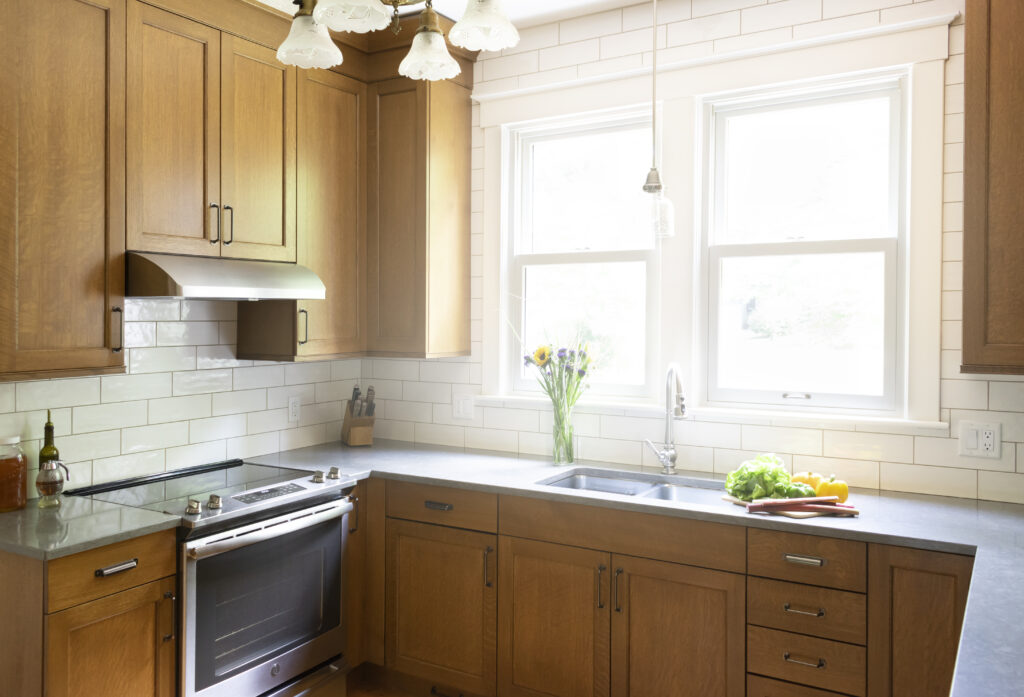
Key Takeaways for Renovating an Older Home Thoughtful renovations can preserve the charm of an older home while improving its function, comfort, and livability. Planning for surprises and having a flexible, experienced team makes all the difference when working with vintage architecture. The goal isn’t to recreate the past, but to design a home that reflects your life today while honoring its original character. What Makes Renovating an Older Home So Worthwhile (and So Complex) You’ve fallen for an older home. Maybe it’s the original wood floors with real patina, the proportions of an arched doorway, or the way light filters through wavy old glass. But more often, it’s something deeper—a sense of story, of possibility. At Spectrum Design Group, we work with clients who want to preserve what makes their home special while aligning it with how they live today. That doesn’t mean historical replication or museum-level preservation. It means thoughtful design that honors the home’s character while making it more functional, comfortable, and personal. House Beautiful recently explored the challenges of updating older homes, particularly how many weren’t built for modern life. We see this all the time in our projects, and it’s why careful planning, realistic expectations, and a strong design process matter so much. Here are five things we always consider when working with older homes: 1. Start with Function, then Layer in Character The homes we work on often have beautiful bones, but awkward layouts. Small, closed-off rooms. Kitchens that don’t connect to living areas. Circulation that doesn’t make sense for how you move through your day. Before we talk about materials, finishes, or aesthetics, we look at how the space needs to function for you. What needs to connect? Where does storage fall short? What layout changes will make your home easier to live in without losing the charm that made you fall in love with it in the first place? Finding that balance, honoring what’s worth keeping while improving what isn’t working, is something we think about in every project. It’s also one of the most rewarding parts of our work. 2. Plan for Surprises. They’re Inevitable. Every renovation comes with unknowns, but older homes? They’re especially good at keeping secrets. We’ve uncovered everything from knob-and-tube wiring to strange plumbing reroutes to floors that have shifted a good inch or more. It happens! The important thing is to plan for this from the start. That includes setting aside a realistic contingency budget and being mentally prepared to make decisions as new information comes to light. Having an experienced team helps both to anticipate what might come up and to respond quickly and calmly when it does. 3. Integrating Modern Comforts into Older Homes Yes, you can have efficient HVAC, proper insulation, smart lighting, and a comfortable layout in a 100-year-old home. You just need to design with intention. We often conceal systems where they won’t interrupt the look and feel of the space. But sometimes, we use contrast to our advantage, letting clean-lined modern elements sit alongside older textures and finishes. The key is knowing when to spotlight original details, when to design around them, and when to simplify so they’re not competing for attention. 4. What to Know About Rules and Codes for Renovating an Older Home There’s a difference between working with a home that’s simply older and one that falls under formal preservation rules. Most of the time, our clients aren’t looking for strict restoration. They want to keep what’s special about the home but don’t want to be limited in every decision. That’s perfectly reasonable! That said, zoning, permitting, and inspections still come into play, and older homes often need more documentation or creative problem-solving to meet code. This is where experience (and relationships with local trades and inspectors) makes all the difference. We’ve navigated it many times and know how to keep things moving forward. 5. Designing a Home that Honors the Past and Fits Your Life Today At SDG, we believe the best design doesn’t just preserve the past, it connects it to the present. Our goal isn’t to recreate a specific year or era. It’s to make your home feel cohesive, grounded, and personal. Sometimes that means honoring original materials. Sometimes it means rethinking a space entirely. What matters is that the end result works for you and the life you’re building inside those walls. Bring New Life to an Older Home Thinking about renovating an older home? We’d love to hear your goals and talk about what’s possible. It starts with a conversation and a design process that respects where your home has been, while focusing on where it’s going.

Personalized Interior Design. A home for book lovers.

The Power of Personalized Interior Design

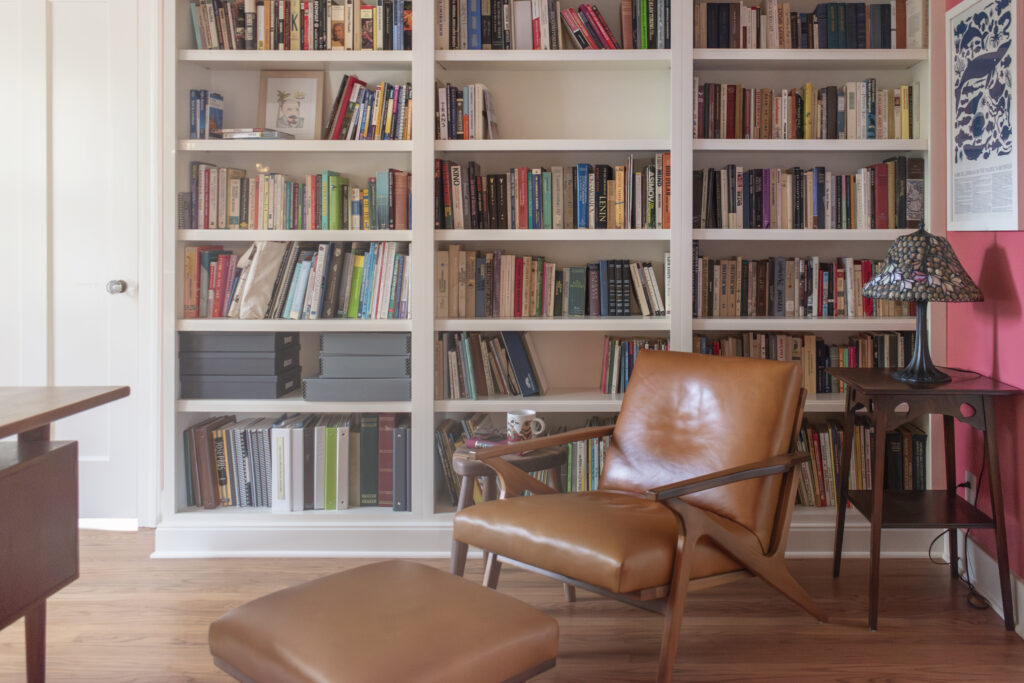
Key Takeaways  Personalized interior design is about creating spaces that reflect you. Your habits, values, and stories are the priorities, not following trends or templates.  Listening is the foundation of great design. Details that matter to you, even small ones, become the heart of meaningful spaces.  Design is not linear. It evolves through exploration, adaptability, and courage—with a trusted process to keep you supported every step of the way.  Personalized Interior Design  Have you ever walked into a beautifully designed space and felt…nothing?  It happens more often than you’d think. A kitchen can check every box—the right finishes, a smart layout, all the on-trend details—and still feel like it belongs to someone else.  Good design isn’t about getting it right. It’s about getting it right for you. We call that personalized interior design—spaces crafted around the people who actually live in them.  “The best kitchen is the kitchen that’s right for the person who uses it.”  One of our clients said this recently, and it’s stuck with me. It perfectly captures how we approach every project at SDG.  We don’t believe in a single “correct” layout, a trendy aesthetic everyone should want, or a universal color palette. Our approach blends creativity and practicality, the same balance that defines any great custom home design. Spaces aren’t supposed to be designed for everyone. They’re designed for you—the people who live in them, move through them, cook in them, read in them, celebrate and recharge in them.  And that kind of design? It’s not something you can download from Pinterest.  It has to be personal.  Listening Shapes the Details  Take a few minutes to watch this video, where a couple reflects on their experience designing their kitchen and home with us.  One of my favorite moments is when they describe asking for cork inlays in their kitchen. It was a small detail, easily overlooked. But listen to what happened:  “I was willing to let that go. I thought, you know, that’s probably pretty hard and maybe they weren’t really listening to me. And there it was right in the design from the very beginning.”  That cork inlay wasn’t just a design detail. It was a small request that showed they were truly heard. Every day, it brings a spark of joy and a reminder that their voice mattered in the process. It’s also what separates tailored interiors from generic ones. The details aren’t random; they’re chosen with care because they matter to the people who live there. To us, that’s what meaningful design looks like.  No Two Projects Should Be Alike  Some clients want sleek minimalism. Others want curated layers. One family might want a gallery wall of heirlooms; another wants clean, blank space to breathe.  In this project, the clients were avid book lovers—self-described owners of “perhaps too many” books. Most designers might see that as a constraint. We saw it as an opportunity to showcase their personality right at the entryway, through a custom bookshelf that now acts as a bold, welcoming signature of who they are.  “That may not be the right choice for everyone, maybe not even for most people…but it was for us.”  Exactly. And that’s the point.  When you walk into their home, you don’t see a designer’s portfolio piece. You see them. That’s what personalized interior design should achieve: a home that feels unmistakably yours.  What Personalized Interior Design Actually Looks Like  Personalized interior design doesn’t just feel differently, it functions differently, too. Over the years, we’ve designed spaces that include:  Hidden functionality that reflects how people really live. Pet nooks tucked in closets. Tech-free reading corners with perfect natural light. Drawers made just for takeout menus and charging stations.  Custom cabinetry built around how someone actually cooks or entertains, from kitchens designed around baking rituals to wine nights to family get-togethers where 30 people can gather around the island.  Accents with emotional resonance — reclaimed wood from a family barn, tile in the exact shade of a childhood home, and yes, cork inlays that surprise and delight every single day.  These aren’t luxuries for luxury’s sake. They’re the details that make a space feel like it’s working with you, not against you.  Room to Change Your Mind  Another theme that came through clearly in the video was flexibility. One of the clients admitted they “kept changing their mind” during the process—not out of indecision, but because they were discovering the space as it came to life.  “Every step along the way, Spectrum just reacted with kindness and patience and acceptance. I’m totally not used to that in my work. Previously, I would have ideas and people would say like, ‘Uh-huh, no, we’re not doing that.’ But at Spectrum, they’d be like, ‘Okay, yeah, totally. We can totally do that.’”  That’s not a flaw in the process. It’s part of what makes the process work.  Design is rarely linear. The right solution doesn’t always appear fully formed—it unfolds through iteration, exploration, and a bit of courage. As a space comes to life, new possibilities emerge, and our role is to stay nimble, collaborative, and supportive, helping you explore what the space could be, not just what you imagined at the start.  “What could have turned out to be kind of a stressful part of the project…always was resolved into comfort and a feeling of satisfaction.”  That’s not luck. That’s partnership.  A Process You Can Trust  One of the things clients tell us they appreciate most is clarity. At every step, you know what to expect. Before each meeting, you understand the goals. Afterward, you know what comes next—what we’re working on, what we need from you, and when we’ll reconnect. That kind of clarity is central to our interior design process. It’s what helps turn inspiration into real, livable results without the chaos so many homeowners fear. “Each time we went into a meeting, we understood what was going to happen… That was really comforting to have that sense of grounding within the process.”  There’s

Luxury custom kitchen cabinets with sequence-matched wood grain and integrated SubZero refrigerator drawer showcasing high-end cabinetry craftsmanship

Why High-End Cabinetry Is the Quiet Hero of Luxury Interior Design

The foundation of exceptional interior design often goes unnoticed until you experience it firsthand. While striking fixtures and beautiful furnishings capture immediate attention, it’s the high-end cabinetry that quietly defines the sophistication, functionality, and enduring quality of a luxury space. This crafted foundation becomes the silent benchmark by which every other design element is measured. Key Takeaways High-end cabinetry provides ultra-personalized storage solutions tailored to your exact lifestyle, from custom knife blocks to temperature-controlled wine storage integrated seamlessly into the design Luxury cabinetry offers timeless design value that ages beautifully over decades, rather than following trends, making it closer to heirloom furniture than mass-produced goods Premium craftsmanship is immediately tangible through superior materials, precise joinery, and multi-layered finishing processes that create a noticeably different user experience True luxury cabinetry requires three essential elements: master craftspeople, your unique vision, and an experienced designer to create truly one-of-a-kind functional art What Sets High-End Cabinetry Apart At Spectrum Design Group, we work with clients who come to our community from across the country, and often, the world. They bring with them diverse perspectives, tastes, and experiences, which makes our interior projects equally rich and varied. Yet whether someone prefers modern minimalism or classic European styling, one constant remains true: the quality of the cabinetry sets the tone for the entire home. Custom cabinetry isn’t just about looks; it’s the quiet hero that blends beauty, function, and personalization in ways that elevate luxury interior design. High-end kitchen cabinets, in particular, can transform a space from simply stylish to deeply meaningful. Let’s explore what distinguishes luxury cabinetry design from the everyday. Beyond Basic Function: The Art of Bespoke Storage Think of cabinetry like automobiles: whether you’re driving a Corolla or a Mercedes S-Class, both will get you from point A to B and share many of the same features. Similarly, soft-close doors and organizational inserts, once hallmarks of premium cabinetry, are now standard in mid-level options. Luxury custom cabinetry goes significantly further. It enables highly personalized, granular storage solutions tailored to your exact lifestyle. Do you collect vintage wine? Need custom storage for Japanese Damascus steel knives? Require perfectly proportioned racks for your Le Creuset collection? High-end cabinetry provides these solutions in thoughtful, often surprising ways. In our modern rustic kitchen project, we created sequence-matched wood grains across multiple doors and drawers where the color and grain pattern flowed seamlessly from one cabinet to the next for a truly upscale, unified appearance. We integrated a bread drawer directly into the wall cabinetry, concealed a SubZero drawer refrigerator within the island, and designed a complete coffee station hidden behind custom cabinetry doors. Beyond Surface Aesthetics: Timeless Design Philosophy Trendy finishes and door styles are easily accessible in mass-market cabinetry thanks to economies of scale. But upscale cabinetry achieves something fundamentally different: timeless beauty rooted in proportion, depth of finish, and carefully selected materials. Luxury cabinetry design produces pieces closer to heirloom furniture than manufactured goods. The result? You won’t worry about your kitchen appearing dated after a few years—the design possesses enduring elegance that lasts for decades, not seasons. Beyond Standard Construction: The Craft of Excellence True luxury never stops at surface appeal. High-end cabinetry is defined by exceptional craftsmanship: precise tolerances, premium-grade materials, meticulous joinery, and multi-layered finishing processes that can take weeks to complete. You experience this difference every time you open a door or drawer—the substantial weight, the silk-smooth glide mechanism, the perfect alignment of reveals, the deep richness of hand-selected veneers. Luxury cabinetry feels different because it is fundamentally different, from core construction to final detail. Personalization as the New Luxury Standard Modern luxury is synonymous with personalization. No two high-end kitchens should look identical, because each should authentically reflect its owner’s lifestyle, preferences, and aesthetic vision. Custom luxury cabinetry makes this level of individualization possible. Creating this personalized experience requires three essential components: Master craftspeople who blend cutting-edge technology with traditional handcraft techniques Your unique vision of how you want the space to function, feel, and reflect your personality An experienced interior designer who interprets your needs, guides the creative process, and specifies the details that make your cabinetry truly one-of-a-kind Together, these elements transform cabinetry from mere storage into commissioned, functional art. High-End Cabinetry, The Quiet Hero The finest cabinetry doesn’t demand attention—it commands respect. Upscale cabinetry creates emotional resonance: that sense of deep satisfaction and daily joy that comes from knowing every element was designed and built specifically for your life. Luxury cabinetry design transcends trend-chasing. It creates living environments that reflect your taste, support your lifestyle, and age beautifully over time. For those who appreciate both tangible craftsmanship and intrinsic value, investing in high-end kitchen cabinets represents lasting value rather than mere expense. That’s why, in the world of luxury interiors, cabinetry truly is the quiet hero—the foundation upon which exceptional homes are built. Ready to explore custom cabinetry solutions for your luxury interior project? Contact Spectrum Design Group to discuss how we can create personalized storage and design solutions that reflect your unique lifestyle and aesthetic vision.  

Foundation of Exceptional Home Renovation Design - Interior Architecture Before and After

Home Renovation Design Grounded in Interior Architecture

Key Takeaways – Interior Architecture: The Foundation of Exceptional Home Renovation Design Interior architecture is the foundation of thoughtful home renovation design. It defines layout, flow, and function, impacting how a home supports daily life from the inside out. Successful renovation projects begin with structure. Addressing proportion, alignment, and spatial logic leads to design solutions that feel effortless and enduring. Strong architectural design reduces reliance on furnishings. When home renovation design is driven by architecture, the space works beautifully before a single object is added. Home Renovation Design At Spectrum Design Group, design doesn’t begin with finishes or furnishings. It begins with people—how they live now, and how they want to live in the future. Every project starts with conversation and discovery. Our client questionnaire isn’t a formality; it’s a tool for listening. Before we ever walk through the front door, we’ve already begun to understand who our clients are and how their homes can better support them. We don’t walk into a home and consider what needs to be added. We look at what needs to be understood. How does light move from room to room? Where does the house invite you in, and where does it push you away? Which transitions feel natural, and which ask too much of the space or the people living in it? As a firm focused almost exclusively on renovation, we begin with what’s already there. The original millwork, the ceiling heights, the way natural light moves through the home; these elements aren’t just decorative. They form the architectural framework that defines successful home renovation design, shaping how a space feels and functions. Home Renovation Design Begins with Structure, Not Style Interior architecture is what gives a space its sense of order. It’s the part of design that rarely calls attention to itself, yet quietly influences how a home is experienced day-to-day. When we begin a project, we’re not immediately concerned with what a space will look like. We’re looking for what’s misaligned. That might be a kitchen that feels visually compressed because of a dropped ceiling, or a hallway that subtly narrows the flow of the house. In many homes, the challenges aren’t dramatic, but they create a persistent sense of friction. Our job is to reduce that friction—to restore harmony to a space so that movement, light, and use feel intuitive again. Making the Most of What’s Already There The most successful home renovation designs often begin with restraint. We’re not interested in imposing something new for the sake of novelty. Instead, we aim to understand what’s already working in a home and build on that. Sometimes that means simplifying. A room with too many competing details might need quieter millwork or a cleaner ceiling line to bring clarity. Other times, it means honoring a fragment of original architecture and expanding its influence, matching the scale of a historic casing profile elsewhere in the home, or using the proportions of an existing built-in to guide new ones. Each decision is made in service of the whole, not just the part. Design That Doesn’t Announce Itself There’s a subtlety to interior architectural work that makes it hard to photograph, but impossible to ignore in person. It’s in the way a new opening finally resolves an awkward transition, or how a reworked elevation brings a sense of calm to a previously cluttered wall. These aren’t big, showy gestures. They’re quiet corrections that allow the house to exhale. Homeowners may not always be able to pinpoint exactly what changed, but they can feel the difference. The space feels settled. Whole. Like it’s always been that way. Furniture Is the Final Layer, Not the Foundation While we sometimes consult on furnishings as part of a renovation, our primary focus is on the structure that supports everything else. When the architectural framework is right, the space doesn’t rely on furniture or accessories to hold it together. It’s not about decoration. It’s about integrity. The goal is to create spaces that are flexible and resilient—spaces that feel complete even before a single piece of furniture is added, and function beautifully whether fully furnished or still in progress. A Space That Lives as Well as It Looks Renovation isn’t just about updating, it’s about revealing. When we approach a project with patience and respect for the home’s inherent logic, we’re often able to uncover solutions that feel not just appropriate, but also inevitable. That’s the heart of interior architecture: creating spaces that look good because they work well, not just for the camera, but for real life. If you’re living in a home that doesn’t feel quite right, we’d love to help you uncover what’s possible when design starts with structure. 

Why Summer Is the Perfect Time to Plan Your Home Renovation

Why Summer Is The Perfect Time To Plan A Renovation

Summer has a unique way of revealing how we live in our homes. We often become more aware of what works in our spaces and what’s missing as we host friends, gather with family, and settle into the season’s slower rhythm. At Spectrum Design Group, we often find that summer is when the desire for a project takes shape. While the design process can begin now, clients should understand that meaningful transformation takes time. A project started in the summer may move into construction in the fall, with the full rewards often felt in the seasons to come. Here’s how we help clients prepare not just their homes, but their mindset, for the journey ahead. Define the Experience You Want When clients come to us with a project idea, they usually have inspiration images, wish lists, or even a few frustrations to solve. But before we dive into materials and floor plans, we ask a deeper question: How do you want to live in this space? Summer has a way of clarifying what matters most—whether it’s seamless indoor-outdoor flow, a kitchen that invites gathering, or spaces that offer calm and privacy. By focusing first on the experience, we can shape a design that is both beautiful and deeply personal. Understand the Timeline High-end residential projects involve many layers, from design development to permitting, ordering custom materials, and coordinating construction. While we can begin the design process in the summer, clients should be prepared for a timeline that extends into the fall and possibly beyond depending on the scope of work. We find that when clients understand this upfront, they approach the process with patience and enthusiasm rather than stress. Good design rewards those willing to invest in the journey. Embrace the Process Great design is not just about the final reveal. It’s about the experience along the way. We encourage clients to stay curious and engaged as the project unfolds, seeing it not as a disruption, but as a creative collaboration. Some of the most rewarding projects are those where clients remain open to ideas, trust the process, and allow the home to evolve into something even better than they imagined. Use This Summer as Research The best time to notice what you need is while you’re living your life. As you move through your home this summer, pay attention. Where do people gather naturally? What spaces feel underutilized? Which small annoyances hint at bigger design opportunities? When you bring these insights to your design team, you’re not simply launching a project, you’re shaping a vision grounded in real experience. Creating a Summer Sanctuary That Lasts Beyond the Season At SDG, we believe that home should be a place of sanctuary, beauty, and meaning. Whether a project begins in summer or any season, the key is preparing both the home and the mind. With clear intention, thoughtful planning, and trust in the process, your home can become a reflection of your best-lived life. Ready to start? Fill out our project inquiry form and we’ll chat soon.

Smart Kitchen Renovation in a 1920s Co-op Apartment

Trading the Seattle Skyline for Midwestern Charm

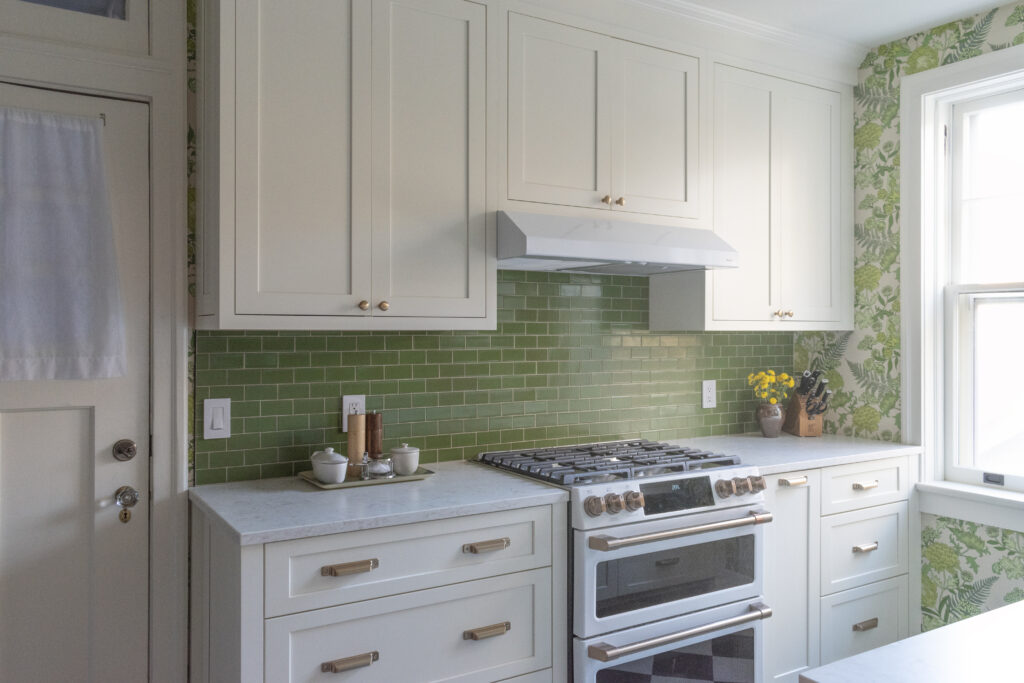
When two globe-trotters traded Seattle’s skyline for the Midwestern charm of a 1920s co-op apartment, they found more than just a new place to live—they uncovered a treasure trove of potential wrapped in layers of neglect. The apartment, located in a 1920s cooperative building, had seen better days. The previous owners had lived there since the early 1980s, and while the space was loved, it had been largely untouched for decades. With outdated electrical, makeshift repairs like duct tape around the windows, and a kitchen in such disrepair it had to be gutted before the new owners could even tour it, the apartment was nearly uninhabitable. But that didn’t deter these adventurous homeowners. Designing with Character: Cory’s Vision Enter SDG’s interior designer Cory Rodeheaver, whose appreciation for historic architecture and passion for thoughtful renovation made him the perfect fit for the project. When asked about this project, Cory said, “I love older homes because of the details they have that you don’t find today, especially in apartments. This home had character that had been neglected, and we were able to breathe new life into it.” Preserving History While Enhancing Functionality The design challenge was to preserve and honor the original character while making the apartment functional for modern living. Every surface and space was rethought and reworked, from the floors and radiators to the light fixtures and storage solutions. An essential part of the project was reconfiguring the layout to improve flow and create a proper entry, enhancing the livability of the space. Maximizing Storage with Thoughtful Customization Storage was a top priority for the homeowners, particularly for their extensive book collection. Custom walnut bookshelves were installed, a new closet was added to the primary bedroom, and another was created in the office. Even the bathroom got a clever storage solution: a dedicated closet for their cats. Restoration of Original Features Throughout the apartment, original features were preserved or restored wherever possible. The radiators were brought back to life, the original tile in the bathroom was maintained, and the cast iron bathtub was refinished to reclaim its classic charm. Windows were restored to their former glory, shedding natural light into rooms now brought back to life with intentional design and color. Bold Wallpaper and Historic Design Influence Speaking of color, this home was anything but timid. The homeowners embraced a bold palette and weren’t afraid to make daring design choices. Four rooms featured wallpaper, three of them in striking William Morris-inspired prints. These patterns reflect the Arts and Crafts movement and the transition into the Art Nouveau styles popular in the 1920s and 30s. The library, bathroom, and kitchen were especially vibrant, blending historical accuracy with fresh, contemporary appeal. Smart Kitchen Renovation in a 1920s Co-op Apartment The kitchen, once a crumbling afterthought, is now a chef’s delight. Designed with flow and function in mind, every element has its place. “I knew it didn’t have to be big,” one of the homeowners noted, “but it needed to be smart.” By turning a back room into a pantry and relocating the refrigerator, Cory freed up valuable space, transforming the kitchen into a model of efficiency. Heath ceramic tiles, chosen to reflect the homeowners’ personal collection, bring artisanal texture and depth to the backsplash. Small Historic Bathroom Remodel with Modern Functionality The bathroom also underwent a dramatic transformation. Originally in a state of disrepair, it now functions beautifully despite its small footprint. It features modern updates seamlessly integrated with the original aesthetic, creating a harmonious blend of old and new. “Every day getting ready in that bathroom is such a joy,” the homeowner said. “It’s small, but somehow it fits everything we need perfectly.” Designing for Living and Entertaining Entertainment was also an important consideration. The homeowners wanted a space that was not just beautiful, but welcoming. Each room was designed with intention, serving a distinct purpose while also contributing to the cohesive flow of the home. Whether it’s hosting dinner parties or curling up with a book in the library, every inch of this apartment is now fully utilized and deeply loved. A Renovation That Honors the Past These types of renovations truly inspire Cory: “Starting with a space that has history, that has stories to tell—there’s so much more to discover. We weren’t just designing an apartment; we were helping to tell the next chapter in its story.” The result is a stunning example of how thoughtful interior design can bridge past and present. From restoring architectural details to selecting bold wallpapers that honor the period, this remodel is a love letter to the building’s heritage and a celebration of vibrant, modern living. The apartment now stands not just as a beautiful home, but as a complete, cohesive work of art—ready for its next hundred years. Thinking about restoring a historic property? Contact us to bring your vision to life. Now, meet the homeowners: Minette & Glen’s Story  

Flatlay - Wallpaper, cabinetry, tile

Designing Through Uncertainty: Tariffs and Interior Design

Tariffs are once again making headlines, raising questions across industries about how global trade tensions might ripple down to everyday decisions. For those of us in the world of custom interior design, this raises important, but not unfamiliar, questions. Will material costs rise? Will timelines shift? Should clients be concerned? At Spectrum Design Group, we’ve seen firsthand how quickly the design landscape can shift. The past few years taught us that uncertainty is part of the rhythm of doing business today. And we’re better for it. The pandemic and the resulting supply chain disruptions and inflation challenged us to work smarter, plan better, and lead with clarity. Those lessons are proving valuable once again as we face new waves of economic complexity. So, what does this new round of tariff talk really mean for our clients and design professionals like us? And how do we continue to deliver excellent, enduring work in a time when the rules are constantly evolving? We believe it starts with perspective. A Calm, Practical Approach The instinct in moments like this is to react. But at SDG, we choose to respond with thoughtfulness, not urgency. We’ve always believed that good design is intentional, not impulsive. That belief becomes even more important during periods of change. Tariffs may affect certain materials or products, both imported and domestic. But that doesn’t mean we quit and go home. It means we assess, adjust, and communicate. Every project is unique. That’s why we evaluate each one on a case-by-case basis. If a material cost changes or availability shifts, we look at alternatives. Sometimes those alternatives come from our deep bench of trusted vendors; other times, they’re creative solutions discovered in collaboration with the client. Flexibility is part of good design. Lessons from the Past Shape the Path Forward When the pandemic hit, the design world saw shipping delays, material shortages, and inflationary pressure that touched nearly every phase of a project. In that time, we didn’t just adapt, we evolved. We learned how to build more time into our planning, how to communicate more proactively with both clients and vendors, and how to make contingency planning a standard part of our process. These lessons are deeply embedded in how we work today. We don’t just hope for the best; we plan for the unexpected. That means identifying critical path items early, having backup options for key materials, and maintaining strong relationships with suppliers who know how to navigate change. Clients appreciate honesty more than perfection. They’d rather hear the truth about a lead time or a cost shift than be surprised later. That kind of clarity builds trust, and trust is the foundation of great design relationships. Designing with Trust, Not Trends We often say that the best projects are built on trust, not trends. And that’s never truer than in moments of uncertainty. When a client trusts the process—and the people guiding it—they don’t need to worry about every market fluctuation or headline. They know their project is in steady hands. Trends come and go. Headlines change. But thoughtful design, built on strong values and careful planning, endures. That’s our North Star at Spectrum Design Group. We don’t chase what’s new, we create what endures. So, while we are monitoring tariff news closely, we’re not letting it drive our decisions. We’re not rushing to change specs or pivot away from quality materials out of fear. Instead, we’re asking smart questions, staying in close contact with our partners, and finding new ways to meet our clients’ needs without sacrificing what matters most. What Clients Can Expect Now For clients currently in design or build phases, here’s what they can expect from us: Proactive communication. If there’s a potential cost shift or lead time concern, we’ll bring it to your attention early, with options. Strategic sourcing. We’re exploring both local and global supplier networks to maintain quality while adapting to potential shifting costs. Built-in flexibility. From day one, we’re designing with layers of adaptability. If we need to make a change, it won’t derail the vision. A steady, experienced team. We’ve been here before. We know how to navigate change, and we know how to do it without compromising design integrity. Looking Ahead: Steady Hands, Lasting Design Tariffs may shift how some goods move around the world. But they don’t change what makes a space meaningful. They don’t touch the creative process, the client relationships, or the craftsmanship that make our work special. Design is, at its core, an investment in the future. And investments should be made with confidence, not anxiety. Our role is to provide that confidence—to guide, advise, and adapt with grace when circumstances change. The uncertainty of today isn’t a reason to panic. It’s a reason to partner with people who can stay steady in the storm. At Spectrum Design Group, that’s what we do. Have questions about how current economic conditions might affect your project? We’re here to talk. Reach out anytime.

Excellence in Interior Design

Excellence in Interior Design Doesn’t Just Happen

Usain Bolt didn’t wake up one morning and decide to break the 100-meter world record. F.A. Porsche didn’t sketch the 911 the night before its debut at the 1963 Frankfurt Auto Show. Madam Curie didn’t stumble upon radium by chance. These milestones took years of dedication, setbacks, and relentless passion. Great things rarely just happen and creating a home that truly reflects you is no exception.  We’ve all heard the classic request, “I want excellent quality, I want it fast, and I want it cheap.” And the classic response, “Pick two.” Every project has different priorities: Budget, timeline, or level of design. What matters most to you will shape the path forward. Our process best suits clients who value thoughtful design and the time and resources it takes to achieve it. If speed or cost savings are your top priorities, we’re happy to guide you toward solutions that fit those goals, even if it’s not with us.  Excellence Takes Time  It took years of experiments, breakthroughs, and setbacks for Madam Curie to finally isolate Radium. Your interior design project won’t take that long, but thoughtful spaces aren’t rushed.   A personalized design starts with listening. It’s imperative to get to know you and how you live. Every detail, from how you move through your space to how it makes you feel, matters. The magic happens when we understand how you live and what brings you joy. Whether it’s sourcing one-of-a-kind materials or creating a custom piece just for you, the process is deliberate, and the results are spaces that truly feel like yours.  Excellence Takes Resources  Porsche invested heavily to perfect the 911. While not every project demands that scale, excellence requires an appropriate budget. Quality design takes time, premium materials, and skilled craftsmanship—all valuable investments. Excellence isn’t about spending endlessly; it’s about making intentional choices that reflect your priorities. We’re here to help you invest wisely, ensuring your budget supports both your vision and the quality you deserve.  Excellence is Not Perfection  Excellence isn’t perfection. Excellence is about delivering our very best. We combine our talent, tools, access, and passion to create something exceptional. Excellence is a big part of our culture at SDG. It’s not just about the deliverable. It’s also the experience of getting to the deliverable. Our experience coupled with your trust is what allows your project to reach its maximum level of excellence.  Perfection is elusive, especially in renovations, where every home has its quirks. Our goal isn’t flawlessness; it’s delivering the best possible result with honesty and care. With your trust and our expertise, we’ll navigate challenges together to create something remarkable.   Excellence is Not the Path of Least Resistance  Usain Bolt had amazing natural talent, but it wasn’t until he was in his twenties that he started to take his training seriously. He had to remove distractions and focus intensely on his training. Discipline made him unbeatable.   Excellence isn’t about shortcuts; it’s about doing the hard work to push beyond “good enough.” The same is true with how we approach our work.  We love solving complex design puzzles to make your space not just functional, but extraordinary. Sometimes that means taking the harder route. Choosing a solution that’s more involved but yields a far more satisfying result. We believe you’ll feel the difference every day you live in it.  Committed to Excellence in Interior Design  Next time you step into a beautifully designed space, notice how everything works in harmony—the textures, the lighting, the thoughtful details. Those unseen hours of collaboration, craftsmanship, and intention are what create environments that tell stories, evoke emotion, and enhance everyday life. That’s the kind of excellence we’re committed to delivering for you. 

Interior Design Process

From Blueprint to Reality: Understanding the Interior Design Process

Updating your home can be one of the most rewarding yet overwhelming experiences, especially when it involves an interior design remodel. You may dream of the finished product and wonder how to bridge that gap.  Understanding the interior design and build process can help you feel empowered as you start working with your interior designer. The Phases of Interior Design One of the most important aspects of interior design is planning. Many homeowners mistakenly think they can jump straight into aesthetics. We often have to redirect clients to function at the beginning of the project because how it will look at the end is the most exciting part. However, understanding the layout and how you’ll use the space is necessary before diving into finishes. Understanding the design process can demystify what often feels like a complicated undertaking. We follow a structured approach consisting of three main phases: planning, specifications, and pre-construction, followed by the construction phase. Planning Phase During the planning phase, we focus on the functional use of your space. This is the time to address any functional problems and ensure the new layout aligns with your plans for using the space.  For example, if you enjoy entertaining, we might design your kitchen to be functional for cooking while incorporating seating for guests to visit with you as you work. Specifications Phase Once we’ve addressed the layout and functional needs, we move on to the specifications phase. This is where we select finishes—everything from plumbing fixtures and lighting to paint and cabinet finishes. This phase transforms the space into something visually appealing. Pre-Construction Phase In the pre-construction phase, we gather pricing and estimates to assemble a construction proposal. At this point, we share this proposal for your consideration, marking the end of the design phase.  If you decide to proceed, we order materials and draft a construction schedule that accounts for lead times and the availability of subcontractors. Construction Phase Finally, we enter the construction phase. We work closely with our subcontractors throughout this process to keep everything flowing smoothly. We provide weekly updates on what’s accomplished and what’s coming next.  As we approach the project’s conclusion, we conduct a walkthrough to ensure all work is executed according to the design. We’ll create a punch list to address the final details before handing you your beautiful new space. Common Misconceptions In Interior Design As you embark on your remodeling journey, it’s important to dispel some common misconceptions about the design process. Function Comes First Many homeowners want to jump into finishes too early. While initial conversations about the look and feel of a space are helpful, the functionality should be agreed upon first.  In our first planning meeting, we intentionally leave our 3D models white so no one is distracted by finishes. It’s all about ensuring the space works for you before we dive into the aesthetic details. Iterative Feedback Client feedback is vital throughout the design phase. After meetings, we post deliverables for review. Each phase builds upon the next so it’s important clients provide feedback along the way. This can help them avoid potentially time-consuming and cost-prohibitive changes down the road. An iterative process allows for collaboration, ensuring client needs are met as we progress. Budgeting for an Interior Design Project Cost Breakdown When budgeting for your remodel, it’s essential to recognize that the design and construction phases are separate. During the design phase, you can expect to pay an hourly rate for services. We’ll initially provide a high-level estimate, but the final bill will reflect the work done. During the renovation phase, we present a fixed construction contract that incorporates all known costs going into the project. Allowing some room in your budget for unknowns is always a good idea. Communication Between Homeowners and Designers Effective communication is the backbone of a successful remodeling project. When we first meet, we like to chat with you to understand your lifestyle. Do you love to cook? Are you looking for materials that withstand the wear and tear of kids and pets? Knowing your day-to-day helps us design a space that truly serves you. We encourage you to share any specific looks or feels you’re drawn to. Some clients come armed with inspiration photos, while others prefer to lean on our expertise. Either way, collaboration is key. Throughout the process, we communicate regularly, provide updates, and seek your input to ensure the design aligns with your vision. Designing for Real Life Once we start discussing finishes, we make sure they fit your lifestyle. For instance, if you prefer low-maintenance materials, we won’t recommend light-colored carpeting or delicate textiles. It’s about finding that sweet spot where aesthetics enhance the function and vice versa. Trends vs. Timelessness When choosing finishes, it’s essential to consider your home’s architectural style. The best designs feel appropriate and comfortable for the client while also fitting with the home’s character. We aim to create timeless spaces you will love for years, not just trendy looks that may quickly feel outdated. Create a Space that Honors You Understanding the design-build process is key to successfully updating your home. Focusing on collaboration and communication, in addition to form and function, helps clients have the least stressful and most enjoyable experience. Are you ready to turn your vision into reality? Embark on your remodeling journey today, and let’s work together to create a space that feels uniquely yours.

Scroll to Top