Spectrum Design Group

renovation

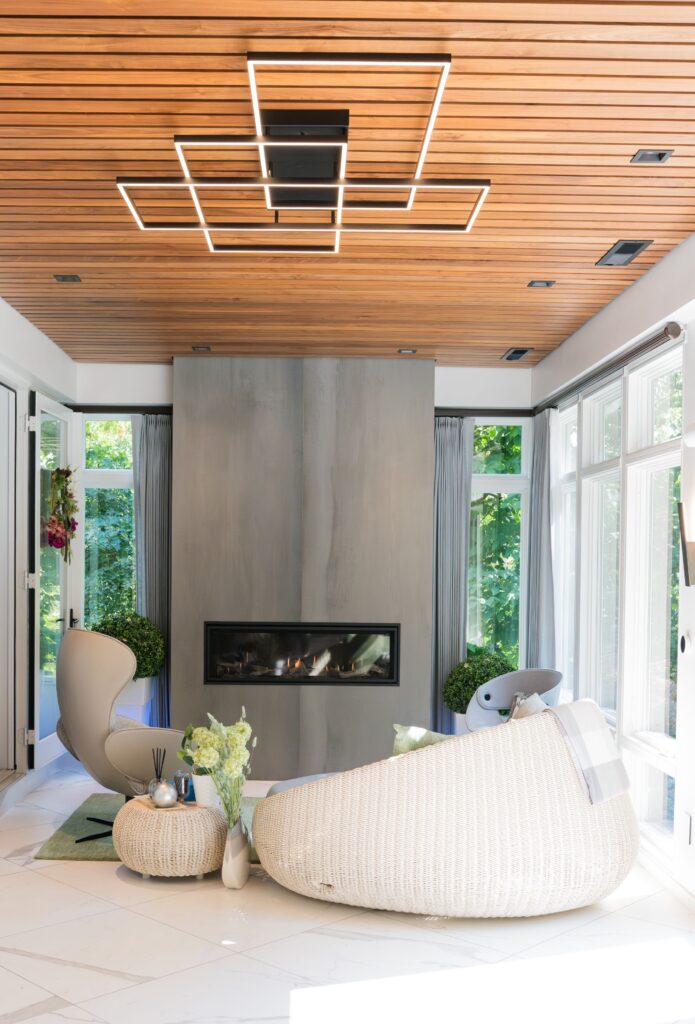
Flexible Interior Design - Sunroom doubles as yoga space

Designing a Home that Grows with You

Key Takeaways for Flexible Interior Design Thoughtful interior design supports changing lifestyles and multi-functional living. Flexible layouts and timeless materials help future-proof your home. Real examples show how adaptive spaces elevate both daily life and long-term value. Why Personal Experience Shapes Better Design Flexible interior design isn’t about having more space. It’s about making your space work better for the life you actually live. I’ve lived in the same house since I bought it years ago. It’s not large. There’s no kitchen table. But the space works, because it has to. And maybe that’s what has taught me the most about design: when space is limited, design can’t just look good. It has to hold up, shift gears, and make room for whatever life brings.  There was a season when that meant game nights. Once a month or so, a group of us (friends, coworkers, spouses) would pile into the living room. We pulled chairs from every corner of the house, crammed onto the couch, and used the coffee table for snacks, scorecards, and game pieces that somehow always ended up under the furniture. The space flexed, not because it was big, but because it was thoughtfully planned. It knew how to stretch.  Then life shifted. Kids came along. Some of us moved. And the way we used our homes changed. But that rhythm of gathering didn’t disappear; it evolved. Now it looks more like a group of guys sitting around a fire pit once a month, or conversations that stretch late into the evening. The coffee table might not be covered in game pieces anymore, but it’s still part of the story.  Designing for Evolving Lifestyles  This is what I think about when I work with clients. Everyone comes in with a vision—the kitchen that accommodates 30 family members at Thanksgiving, the primary suite that allows for the business of the day to be left at the door, the sunroom with a fireplace that doubles as a yoga space. And that matters. But the longer I do this work, the more I see the value in designing not just for what life looks like today, but for what it might become.  Because rooms change roles. A space that starts as a guest room becomes a nursery. A playroom becomes a study zone. A quiet corner becomes the most used spot in the house. And the best interiors aren’t the ones that resist those changes; they’re the ones that welcome them.  I had a client a few years ago who wanted a cozy space where she could retreat to read and sometimes work on her laptop without distraction. It had to be her own. In fact, she told me that she had dreamed about having such a place and wondered if we could transform an existing closet into her “fantasy.” And so, what was once used as a closet for years became my client’s fantasy.   What Flexible Interior Design Looks Like in Practice  That doesn’t mean you design everything to be multipurpose. It means you design it with just enough give. You plan for good circulation, intuitive flow, and materials that can take a hit and still look good. You build in storage that doesn’t announce itself. You make sure the outlets are where you’ll need them—even if you don’t know it yet.  This kind of flexibility isn’t always flashy, but it shows up in the details:  Built-ins that evolve in function over time  Zones that can grow or shrink as household needs shift  Millwork and cabinetry that look clean and intentional, but offer hidden storage or dual use  Lighting that changes the mood depending on how a space is used, not just what time of day it is  When we talk about future-proofing homes, we’re not talking about guessing what’s next. We’re designing for range. For possibility. For use cases that haven’t happened yet.  Designing a Home that Grows with You  The reality is that most people don’t overhaul their homes every few years. They live in them. They grow up in them. They raise families, change careers, start new chapters, and sometimes even circle back to old routines, all in the same square footage.  And if that home was designed well? It can keep pace with all of it.  I’ve seen it firsthand in my own home. That same small footprint has adapted through game nights, growing kids, quiet mornings, and messy evenings. Not because it’s perfect. But because it was designed to make space for all of it.  In client projects, I look for the same opportunities. Recently, I worked with a couple who had kids at various stages, from preschool to high school. What wasn’t different between them was all the “stuff” that comes with raising kids—backpacks, coats, shoes, band instruments. What we designed was a room off the kitchen that could handle the demands of their current storage needs and function as additional pantry space. Down the road, this room could become a full-on pantry or an extra room for grandma. Lots of opportunities! What this room actually has is the potential to function in a variety of ways because of its thoughtful size and where it fits within the traffic flow of the home. This is exactly the kind of challenge flexible interior design is built to solve—creating beautiful, usable space that adapts as your life shifts. Questions that Guide Flexible Interior Design Here are the types of questions I ask in every project:  Can this family room evolve into something else later?  Will this kitchen layout still make sense if there are five people around the island instead of two?  Are we creating spaces that feel as good during a holiday gathering as they do on a Tuesday night?  These aren’t just practical questions; they shape how the space is planned, built, and finished. When we ask them early, we’re not just designing for how a home will look on move-in day. We’re designing for how it will live five, ten,

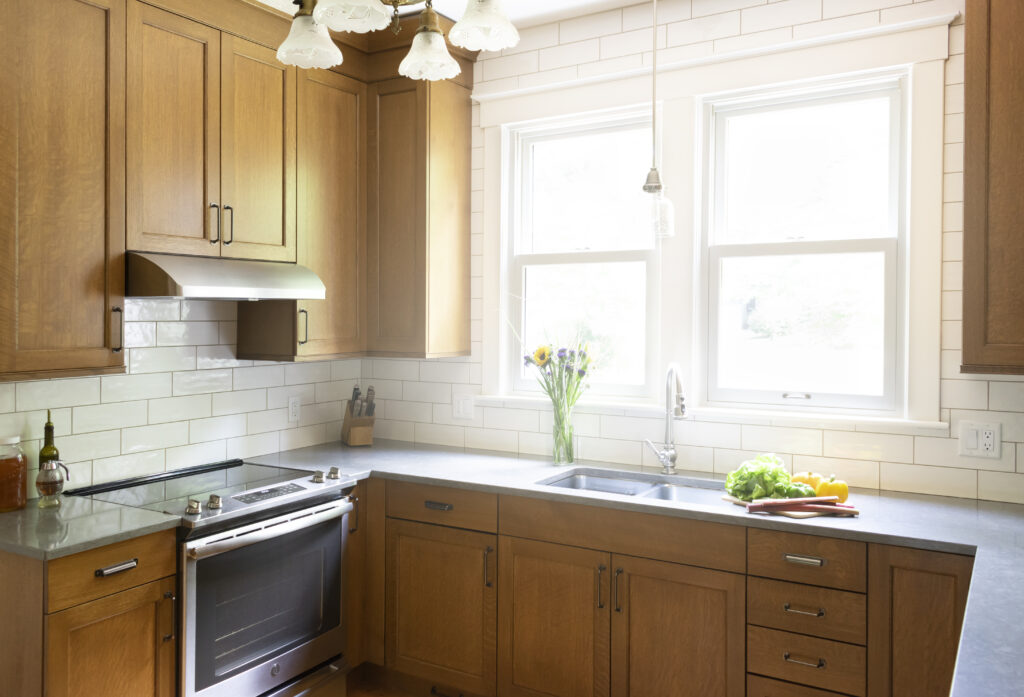
Renovating an older home - Making a 100 year old home work for modern living.

Renovating an Older Home: How to Make It Work for Modern Living

Key Takeaways for Renovating an Older Home Thoughtful renovations can preserve the charm of an older home while improving its function, comfort, and livability. Planning for surprises and having a flexible, experienced team makes all the difference when working with vintage architecture. The goal isn’t to recreate the past, but to design a home that reflects your life today while honoring its original character. What Makes Renovating an Older Home So Worthwhile (and So Complex) You’ve fallen for an older home. Maybe it’s the original wood floors with real patina, the proportions of an arched doorway, or the way light filters through wavy old glass. But more often, it’s something deeper—a sense of story, of possibility. At Spectrum Design Group, we work with clients who want to preserve what makes their home special while aligning it with how they live today. That doesn’t mean historical replication or museum-level preservation. It means thoughtful design that honors the home’s character while making it more functional, comfortable, and personal. House Beautiful recently explored the challenges of updating older homes, particularly how many weren’t built for modern life. We see this all the time in our projects, and it’s why careful planning, realistic expectations, and a strong design process matter so much. Here are five things we always consider when working with older homes: 1. Start with Function, then Layer in Character The homes we work on often have beautiful bones, but awkward layouts. Small, closed-off rooms. Kitchens that don’t connect to living areas. Circulation that doesn’t make sense for how you move through your day. Before we talk about materials, finishes, or aesthetics, we look at how the space needs to function for you. What needs to connect? Where does storage fall short? What layout changes will make your home easier to live in without losing the charm that made you fall in love with it in the first place? Finding that balance, honoring what’s worth keeping while improving what isn’t working, is something we think about in every project. It’s also one of the most rewarding parts of our work. 2. Plan for Surprises. They’re Inevitable. Every renovation comes with unknowns, but older homes? They’re especially good at keeping secrets. We’ve uncovered everything from knob-and-tube wiring to strange plumbing reroutes to floors that have shifted a good inch or more. It happens! The important thing is to plan for this from the start. That includes setting aside a realistic contingency budget and being mentally prepared to make decisions as new information comes to light. Having an experienced team helps both to anticipate what might come up and to respond quickly and calmly when it does. 3. Integrating Modern Comforts into Older Homes Yes, you can have efficient HVAC, proper insulation, smart lighting, and a comfortable layout in a 100-year-old home. You just need to design with intention. We often conceal systems where they won’t interrupt the look and feel of the space. But sometimes, we use contrast to our advantage, letting clean-lined modern elements sit alongside older textures and finishes. The key is knowing when to spotlight original details, when to design around them, and when to simplify so they’re not competing for attention. 4. What to Know About Rules and Codes for Renovating an Older Home There’s a difference between working with a home that’s simply older and one that falls under formal preservation rules. Most of the time, our clients aren’t looking for strict restoration. They want to keep what’s special about the home but don’t want to be limited in every decision. That’s perfectly reasonable! That said, zoning, permitting, and inspections still come into play, and older homes often need more documentation or creative problem-solving to meet code. This is where experience (and relationships with local trades and inspectors) makes all the difference. We’ve navigated it many times and know how to keep things moving forward. 5. Designing a Home that Honors the Past and Fits Your Life Today At SDG, we believe the best design doesn’t just preserve the past, it connects it to the present. Our goal isn’t to recreate a specific year or era. It’s to make your home feel cohesive, grounded, and personal. Sometimes that means honoring original materials. Sometimes it means rethinking a space entirely. What matters is that the end result works for you and the life you’re building inside those walls. Bring New Life to an Older Home Thinking about renovating an older home? We’d love to hear your goals and talk about what’s possible. It starts with a conversation and a design process that respects where your home has been, while focusing on where it’s going.

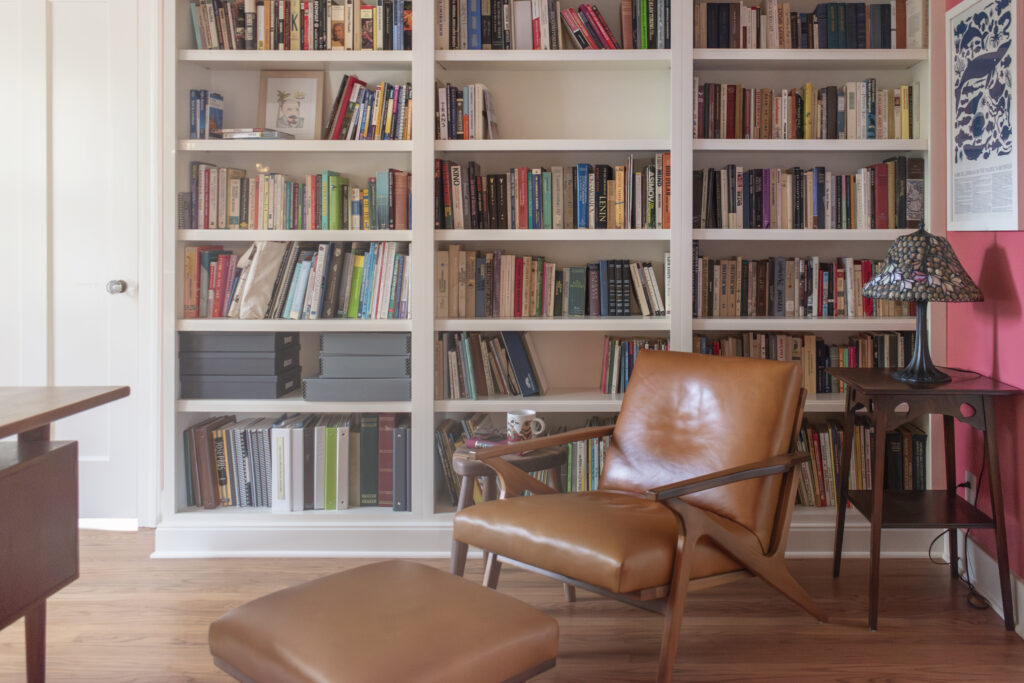
Personalized Interior Design. A home for book lovers.

The Power of Personalized Interior Design

Key Takeaways  Personalized interior design is about creating spaces that reflect you. Your habits, values, and stories are the priorities, not following trends or templates.  Listening is the foundation of great design. Details that matter to you, even small ones, become the heart of meaningful spaces.  Design is not linear. It evolves through exploration, adaptability, and courage—with a trusted process to keep you supported every step of the way.  Personalized Interior Design  Have you ever walked into a beautifully designed space and felt…nothing?  It happens more often than you’d think. A kitchen can check every box—the right finishes, a smart layout, all the on-trend details—and still feel like it belongs to someone else.  Good design isn’t about getting it right. It’s about getting it right for you. We call that personalized interior design—spaces crafted around the people who actually live in them.  “The best kitchen is the kitchen that’s right for the person who uses it.”  One of our clients said this recently, and it’s stuck with me. It perfectly captures how we approach every project at SDG.  We don’t believe in a single “correct” layout, a trendy aesthetic everyone should want, or a universal color palette. Our approach blends creativity and practicality, the same balance that defines any great custom home design. Spaces aren’t supposed to be designed for everyone. They’re designed for you—the people who live in them, move through them, cook in them, read in them, celebrate and recharge in them.  And that kind of design? It’s not something you can download from Pinterest.  It has to be personal.  Listening Shapes the Details  Take a few minutes to watch this video, where a couple reflects on their experience designing their kitchen and home with us.  One of my favorite moments is when they describe asking for cork inlays in their kitchen. It was a small detail, easily overlooked. But listen to what happened:  “I was willing to let that go. I thought, you know, that’s probably pretty hard and maybe they weren’t really listening to me. And there it was right in the design from the very beginning.”  That cork inlay wasn’t just a design detail. It was a small request that showed they were truly heard. Every day, it brings a spark of joy and a reminder that their voice mattered in the process. It’s also what separates tailored interiors from generic ones. The details aren’t random; they’re chosen with care because they matter to the people who live there. To us, that’s what meaningful design looks like.  No Two Projects Should Be Alike  Some clients want sleek minimalism. Others want curated layers. One family might want a gallery wall of heirlooms; another wants clean, blank space to breathe.  In this project, the clients were avid book lovers—self-described owners of “perhaps too many” books. Most designers might see that as a constraint. We saw it as an opportunity to showcase their personality right at the entryway, through a custom bookshelf that now acts as a bold, welcoming signature of who they are.  “That may not be the right choice for everyone, maybe not even for most people…but it was for us.”  Exactly. And that’s the point.  When you walk into their home, you don’t see a designer’s portfolio piece. You see them. That’s what personalized interior design should achieve: a home that feels unmistakably yours.  What Personalized Interior Design Actually Looks Like  Personalized interior design doesn’t just feel differently, it functions differently, too. Over the years, we’ve designed spaces that include:  Hidden functionality that reflects how people really live. Pet nooks tucked in closets. Tech-free reading corners with perfect natural light. Drawers made just for takeout menus and charging stations.  Custom cabinetry built around how someone actually cooks or entertains, from kitchens designed around baking rituals to wine nights to family get-togethers where 30 people can gather around the island.  Accents with emotional resonance — reclaimed wood from a family barn, tile in the exact shade of a childhood home, and yes, cork inlays that surprise and delight every single day.  These aren’t luxuries for luxury’s sake. They’re the details that make a space feel like it’s working with you, not against you.  Room to Change Your Mind  Another theme that came through clearly in the video was flexibility. One of the clients admitted they “kept changing their mind” during the process—not out of indecision, but because they were discovering the space as it came to life.  “Every step along the way, Spectrum just reacted with kindness and patience and acceptance. I’m totally not used to that in my work. Previously, I would have ideas and people would say like, ‘Uh-huh, no, we’re not doing that.’ But at Spectrum, they’d be like, ‘Okay, yeah, totally. We can totally do that.’”  That’s not a flaw in the process. It’s part of what makes the process work.  Design is rarely linear. The right solution doesn’t always appear fully formed—it unfolds through iteration, exploration, and a bit of courage. As a space comes to life, new possibilities emerge, and our role is to stay nimble, collaborative, and supportive, helping you explore what the space could be, not just what you imagined at the start.  “What could have turned out to be kind of a stressful part of the project…always was resolved into comfort and a feeling of satisfaction.”  That’s not luck. That’s partnership.  A Process You Can Trust  One of the things clients tell us they appreciate most is clarity. At every step, you know what to expect. Before each meeting, you understand the goals. Afterward, you know what comes next—what we’re working on, what we need from you, and when we’ll reconnect. That kind of clarity is central to our interior design process. It’s what helps turn inspiration into real, livable results without the chaos so many homeowners fear. “Each time we went into a meeting, we understood what was going to happen… That was really comforting to have that sense of grounding within the process.”  There’s

Foundation of Exceptional Home Renovation Design - Interior Architecture Before and After

Home Renovation Design Grounded in Interior Architecture

Key Takeaways – Interior Architecture: The Foundation of Exceptional Home Renovation Design Interior architecture is the foundation of thoughtful home renovation design. It defines layout, flow, and function, impacting how a home supports daily life from the inside out. Successful renovation projects begin with structure. Addressing proportion, alignment, and spatial logic leads to design solutions that feel effortless and enduring. Strong architectural design reduces reliance on furnishings. When home renovation design is driven by architecture, the space works beautifully before a single object is added. Home Renovation Design At Spectrum Design Group, design doesn’t begin with finishes or furnishings. It begins with people—how they live now, and how they want to live in the future. Every project starts with conversation and discovery. Our client questionnaire isn’t a formality; it’s a tool for listening. Before we ever walk through the front door, we’ve already begun to understand who our clients are and how their homes can better support them. We don’t walk into a home and consider what needs to be added. We look at what needs to be understood. How does light move from room to room? Where does the house invite you in, and where does it push you away? Which transitions feel natural, and which ask too much of the space or the people living in it? As a firm focused almost exclusively on renovation, we begin with what’s already there. The original millwork, the ceiling heights, the way natural light moves through the home; these elements aren’t just decorative. They form the architectural framework that defines successful home renovation design, shaping how a space feels and functions. Home Renovation Design Begins with Structure, Not Style Interior architecture is what gives a space its sense of order. It’s the part of design that rarely calls attention to itself, yet quietly influences how a home is experienced day-to-day. When we begin a project, we’re not immediately concerned with what a space will look like. We’re looking for what’s misaligned. That might be a kitchen that feels visually compressed because of a dropped ceiling, or a hallway that subtly narrows the flow of the house. In many homes, the challenges aren’t dramatic, but they create a persistent sense of friction. Our job is to reduce that friction—to restore harmony to a space so that movement, light, and use feel intuitive again. Making the Most of What’s Already There The most successful home renovation designs often begin with restraint. We’re not interested in imposing something new for the sake of novelty. Instead, we aim to understand what’s already working in a home and build on that. Sometimes that means simplifying. A room with too many competing details might need quieter millwork or a cleaner ceiling line to bring clarity. Other times, it means honoring a fragment of original architecture and expanding its influence, matching the scale of a historic casing profile elsewhere in the home, or using the proportions of an existing built-in to guide new ones. Each decision is made in service of the whole, not just the part. Design That Doesn’t Announce Itself There’s a subtlety to interior architectural work that makes it hard to photograph, but impossible to ignore in person. It’s in the way a new opening finally resolves an awkward transition, or how a reworked elevation brings a sense of calm to a previously cluttered wall. These aren’t big, showy gestures. They’re quiet corrections that allow the house to exhale. Homeowners may not always be able to pinpoint exactly what changed, but they can feel the difference. The space feels settled. Whole. Like it’s always been that way. Furniture Is the Final Layer, Not the Foundation While we sometimes consult on furnishings as part of a renovation, our primary focus is on the structure that supports everything else. When the architectural framework is right, the space doesn’t rely on furniture or accessories to hold it together. It’s not about decoration. It’s about integrity. The goal is to create spaces that are flexible and resilient—spaces that feel complete even before a single piece of furniture is added, and function beautifully whether fully furnished or still in progress. A Space That Lives as Well as It Looks Renovation isn’t just about updating, it’s about revealing. When we approach a project with patience and respect for the home’s inherent logic, we’re often able to uncover solutions that feel not just appropriate, but also inevitable. That’s the heart of interior architecture: creating spaces that look good because they work well, not just for the camera, but for real life. If you’re living in a home that doesn’t feel quite right, we’d love to help you uncover what’s possible when design starts with structure. 

Design a Laundry Room

Design a Laundry Room: The Unsung Workhorse of Your Home 

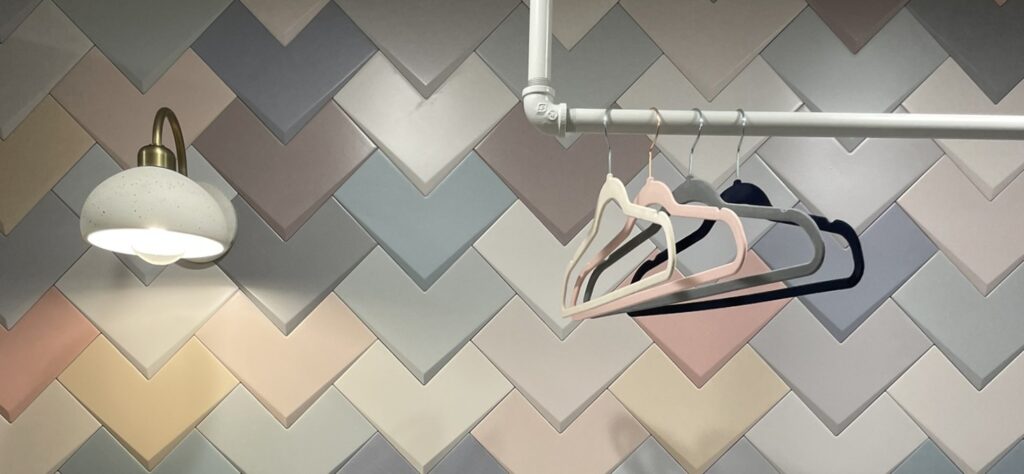
Let’s be honest. Most of us (me included) don’t look forward to doing laundry. This lack of passion for laundry is apparent in how we design our homes. The laundry room is often an afterthought—tucked into a hallway, squeezed into a closet, or buried in the basement. Yet, for a space that sees daily use, we should design a laundry room that gets as much attention as a kitchen or bath. A room used as much as a laundry room deserves to be thoughtfully designed not only for our enjoyment but also for how we function.   What if your laundry room wasn’t just a place to toss dirty clothes and sort socks? What if it was a beautifully designed, well-organized space that actually made the task feel easier, maybe even enjoyable? A laundry room that works with you instead of against you can be a small luxury that has a big impact on daily life.  Design a Laundry Room That Works for You Think about the flow of your day. You rush to start a load of laundry before you leave for work. Or you juggle multiple tasks at once—folding towels while watching dinner. A well-designed laundry room makes these moments smoother, saving you time and frustration. Consider:  Counter Space That Keeps You Organized: A surface for sorting, folding, and setting things down makes everything easier—no more piling clothes on the nearest chair.  Storage That Keeps the Chaos at Bay: Cabinets or open shelves keep detergents, stain removers, and spare towels neatly tucked away but always within reach.  A Sink for Life’s Messes: Whether it’s soaking a stained shirt or rinsing off muddy soccer cleats, a deep sink turns small annoyances into simple fixes.  Room to Hang and Air-Dry: No more draping damp clothes over furniture. Built-in drying rods and racks keep things neat and wrinkle-free.  Maximize a Small Laundry Room Not everyone has the luxury of a sprawling laundry room, but that doesn’t mean you can’t create efficiency. A well-designed laundry room streamlines household traffic. Design features like stacked appliances, pull-out folding stations, and pocket doors can maximize even the smallest spaces.  Lighting & Ventilation—Details Matter No one wants to fold clothes in a dim, cramped space. Good lighting, whether from a window or well-placed fixtures, makes the room feel inviting, while proper ventilation keeps the air fresh and prevents mildew. These small details make all the difference in how a space feels and functions.  Design a Laundry Room for Style Just because it’s a workspace doesn’t mean it has to feel like one. The laundry room is a great space to make bold design choices you might shy away from in other parts of your home. A welcoming wallpaper, stylish hardware, or even a playful backsplash can turn your laundry room into a space you don’t mind spending time in. A thoughtfully designed room makes mundane tasks feel more pleasant. Laundry Never Stops—Create a Space You Love Between work, family, and the endless cycle of washing, drying, and folding, your laundry room should work for you—not against you. The right design can bring order to the chaos, streamline your routine, and maybe even make laundry feel like less of a chore. So, if you’re building or remodeling, give this space the attention it deserves. Your future self will thank you. 

Scroll to Top