
Designing for Wellness: A Natural Approach to Interior Design
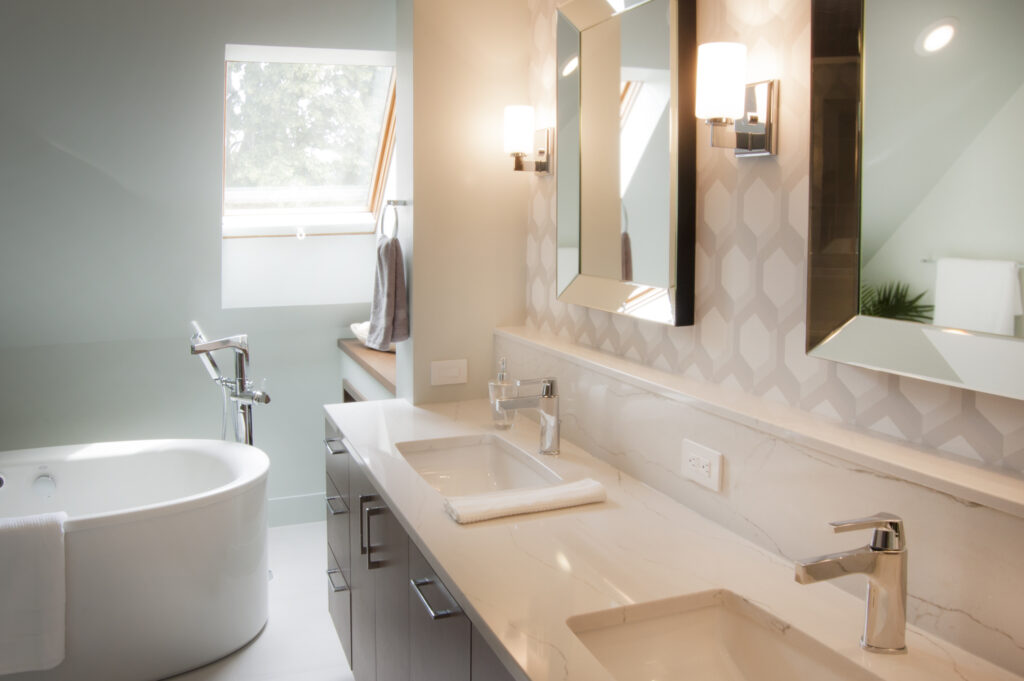
Key Takeaways for Designing for Wellness Designing for wellness means focusing on how a home supports daily life — Natural light, authentic materials, and thoughtful layouts create spaces that feel calm and restorative. Small changes make a big difference — You may not need a full renovation to improve how your home feels. Simple shifts in lighting, materials, and function can transform your space. Flexibility is essential — Homes that adapt to your changing needs become more livable and resilient over time. When a Walk Reminds You What Matters Most evenings after dinner, I walk with my son. It’s become our rhythm, just the two of us looping through the neighborhood, talking about his day, pointing out things we notice. He usually walks right beside me and often reaches for my hand when no one else is around (he just turned 12). We watch how the light shifts as the seasons change. These walks don’t take long, but they always leave me feeling more grounded. That’s the feeling I keep coming back to in my design work, that sense of slowing down, reconnecting, and making space to breathe. I believe homes have the potential to support wellness in small, steady ways. Not through big, showy features, but through the thoughtful choices that shape how we structure our days. And for many of the clients we work with, that’s becoming the real definition of luxury. What Designing for Wellness Actually Looks Like When clients come to us, they don’t always use the word “wellness.” But they describe it perfectly. They talk about wanting spaces that are calm, quiet, and functional. Homes that feel lighter. Layouts that make sense. Rooms that just feel good to be in, even if they can’t quite explain why. For me, designing for wellness starts with one simple question: How is this home being used? Not in theory. In reality. Who lives here? What are their daily routines? Where do they naturally gather? Where do they go when they need to recharge? By understanding this early in the process, we can create interiors that truly support the people who live in them. We don’t just style homes for the moment; we design them to last and evolve alongside you. Light, Materials, and Flow: The Quiet Influencers Wellness in interior design often comes down to three simple elements: light, materials, and flow. None of them are flashy, but all of them have a powerful impact. Natural light Light is everything. It shapes mood, energy, and even sleep. We look for ways to enhance it: expanding window views when possible, choosing reflective surfaces strategically, and using soft, layered lighting where daylight is limited. Even small changes in how a room catches light can completely shift how it’s experienced. Natural materials There’s something irreplaceable about real, honest materials—wood, stone, wool, linen. They bring warmth and texture that synthetic materials just can’t match. These are the elements that wear in, not out. And they tend to hold up better over time, both aesthetically and practically. (Plus, they just feel better to live with.) Ease of movement Flow is one of those things that’s easy to overlook but has a huge influence on daily stress levels. A room that’s awkwardly laid out or constantly cluttered creates friction you don’t realize you’re dealing with. We work to create layouts that match the natural rhythm of a household, whether that means opening up sightlines, creating smarter storage, or rethinking how rooms connect to each other. A Home That Adapts to You One of the most important, yet often underrated, aspects of home wellness is flexibility. Life doesn’t stand still. Families grow. Work situations shift. Needs evolve. We design with that in mind. A formal dining room might double as a study space. A guest bedroom might convert into a reading nook or office. We often zone open areas in subtle ways to create both connection and privacy when needed. Technology can support this flexibility, too. Smart lighting systems that adjust throughout the day, motorized shades that control glare and privacy, or climate control that responds room by room, all enable a space to adapt to what’s happening and what’s needed in that moment. But it’s not about turning a home into a gadget showroom. It’s about using technology to create a more comfortable, personalized daily experience. When a home is designed to flex with you, it becomes more than beautiful. It becomes resilient. Why This Matters to Our Clients The clients who work with us are thoughtful. They value craftsmanship, timeless design, and quality that endures. They want their homes to reflect who they are and work for how they live. Wellness in interior design offers all of that, and it doesn’t mean giving up elegance or sophistication. In fact, I’d argue it enhances those things. A carefully planned layout, a well-lit kitchen, a primary suite that feels like a true retreat, these are the kinds of investments that make a home not only look stunning but also feel genuinely livable. And that kind of design? It pays off every single day. Small Shifts You Can Make Now Whether you’re thinking about a full renovation or a few focused updates, wellness in interior design often starts with small, thoughtful changes: Assess your lighting. Are you relying on overhead fixtures alone? Adding layered light—task, ambient, and accent can completely change how a room feels. Incorporate natural textures. Swap out synthetic rugs or upholstery for natural fibers. Bring in wood or stone where it makes sense. Rethink underused spaces. Is there a room in your home that’s not working? A guest room that sits empty most of the year, or a formal dining space that rarely gets used? Look at those areas as opportunities. Simplify. Remove what isn’t serving you. Whether it’s visual clutter or furniture that interrupts flow, small edits can make a surprisingly big difference. When a Home Helps You Breathe There’s a moment that happens sometimes when a project wraps up and
