Spectrum Design Group

interior designer

Flexible Interior Design - Sunroom doubles as yoga space

Designing a Home that Grows with You

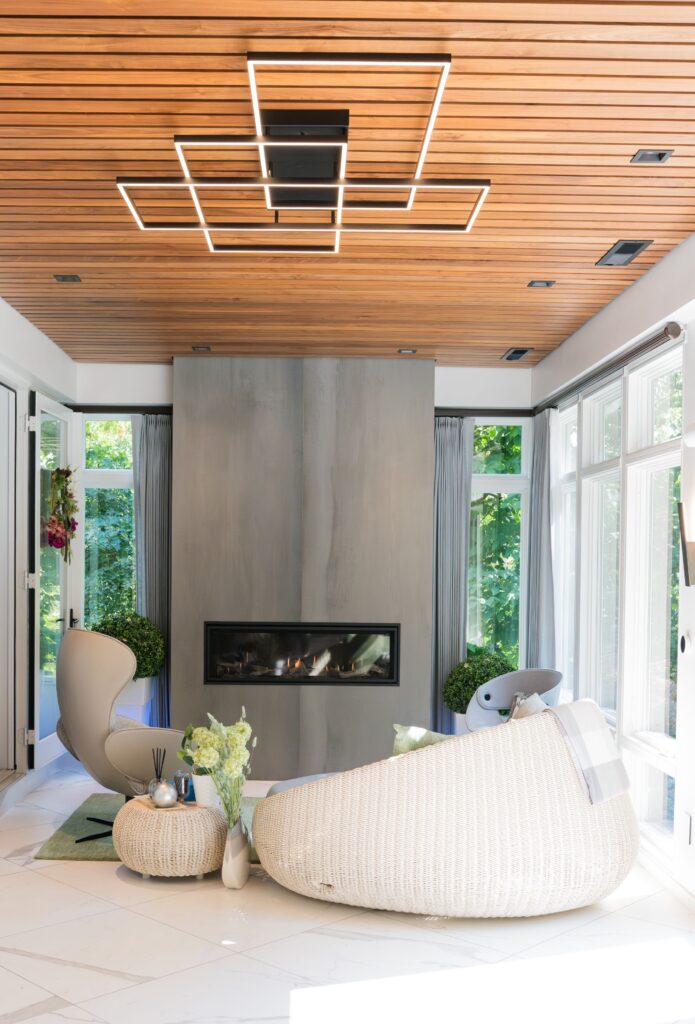
Key Takeaways for Flexible Interior Design Thoughtful interior design supports changing lifestyles and multi-functional living. Flexible layouts and timeless materials help future-proof your home. Real examples show how adaptive spaces elevate both daily life and long-term value. Why Personal Experience Shapes Better Design Flexible interior design isn’t about having more space. It’s about making your space work better for the life you actually live. I’ve lived in the same house since I bought it years ago. It’s not large. There’s no kitchen table. But the space works, because it has to. And maybe that’s what has taught me the most about design: when space is limited, design can’t just look good. It has to hold up, shift gears, and make room for whatever life brings.  There was a season when that meant game nights. Once a month or so, a group of us (friends, coworkers, spouses) would pile into the living room. We pulled chairs from every corner of the house, crammed onto the couch, and used the coffee table for snacks, scorecards, and game pieces that somehow always ended up under the furniture. The space flexed, not because it was big, but because it was thoughtfully planned. It knew how to stretch.  Then life shifted. Kids came along. Some of us moved. And the way we used our homes changed. But that rhythm of gathering didn’t disappear; it evolved. Now it looks more like a group of guys sitting around a fire pit once a month, or conversations that stretch late into the evening. The coffee table might not be covered in game pieces anymore, but it’s still part of the story.  Designing for Evolving Lifestyles  This is what I think about when I work with clients. Everyone comes in with a vision—the kitchen that accommodates 30 family members at Thanksgiving, the primary suite that allows for the business of the day to be left at the door, the sunroom with a fireplace that doubles as a yoga space. And that matters. But the longer I do this work, the more I see the value in designing not just for what life looks like today, but for what it might become.  Because rooms change roles. A space that starts as a guest room becomes a nursery. A playroom becomes a study zone. A quiet corner becomes the most used spot in the house. And the best interiors aren’t the ones that resist those changes; they’re the ones that welcome them.  I had a client a few years ago who wanted a cozy space where she could retreat to read and sometimes work on her laptop without distraction. It had to be her own. In fact, she told me that she had dreamed about having such a place and wondered if we could transform an existing closet into her “fantasy.” And so, what was once used as a closet for years became my client’s fantasy.   What Flexible Interior Design Looks Like in Practice  That doesn’t mean you design everything to be multipurpose. It means you design it with just enough give. You plan for good circulation, intuitive flow, and materials that can take a hit and still look good. You build in storage that doesn’t announce itself. You make sure the outlets are where you’ll need them—even if you don’t know it yet.  This kind of flexibility isn’t always flashy, but it shows up in the details:  Built-ins that evolve in function over time  Zones that can grow or shrink as household needs shift  Millwork and cabinetry that look clean and intentional, but offer hidden storage or dual use  Lighting that changes the mood depending on how a space is used, not just what time of day it is  When we talk about future-proofing homes, we’re not talking about guessing what’s next. We’re designing for range. For possibility. For use cases that haven’t happened yet.  Designing a Home that Grows with You  The reality is that most people don’t overhaul their homes every few years. They live in them. They grow up in them. They raise families, change careers, start new chapters, and sometimes even circle back to old routines, all in the same square footage.  And if that home was designed well? It can keep pace with all of it.  I’ve seen it firsthand in my own home. That same small footprint has adapted through game nights, growing kids, quiet mornings, and messy evenings. Not because it’s perfect. But because it was designed to make space for all of it.  In client projects, I look for the same opportunities. Recently, I worked with a couple who had kids at various stages, from preschool to high school. What wasn’t different between them was all the “stuff” that comes with raising kids—backpacks, coats, shoes, band instruments. What we designed was a room off the kitchen that could handle the demands of their current storage needs and function as additional pantry space. Down the road, this room could become a full-on pantry or an extra room for grandma. Lots of opportunities! What this room actually has is the potential to function in a variety of ways because of its thoughtful size and where it fits within the traffic flow of the home. This is exactly the kind of challenge flexible interior design is built to solve—creating beautiful, usable space that adapts as your life shifts. Questions that Guide Flexible Interior Design Here are the types of questions I ask in every project:  Can this family room evolve into something else later?  Will this kitchen layout still make sense if there are five people around the island instead of two?  Are we creating spaces that feel as good during a holiday gathering as they do on a Tuesday night?  These aren’t just practical questions; they shape how the space is planned, built, and finished. When we ask them early, we’re not just designing for how a home will look on move-in day. We’re designing for how it will live five, ten,
Wellness in Interior Design. Designing for Wellness: A Natural Approach to Interior Design

Designing for Wellness: A Natural Approach to Interior Design

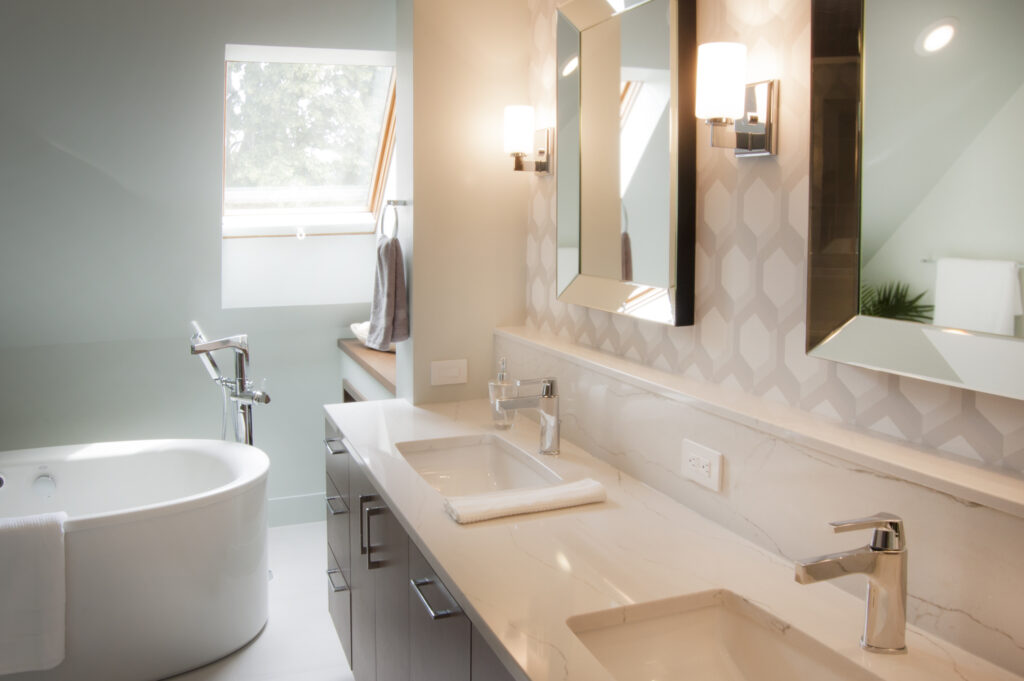
Key Takeaways for Designing for Wellness Designing for wellness means focusing on how a home supports daily life — Natural light, authentic materials, and thoughtful layouts create spaces that feel calm and restorative. Small changes make a big difference — You may not need a full renovation to improve how your home feels. Simple shifts in lighting, materials, and function can transform your space. Flexibility is essential — Homes that adapt to your changing needs become more livable and resilient over time. When a Walk Reminds You What Matters Most evenings after dinner, I walk with my son. It’s become our rhythm, just the two of us looping through the neighborhood, talking about his day, pointing out things we notice. He usually walks right beside me and often reaches for my hand when no one else is around (he just turned 12). We watch how the light shifts as the seasons change. These walks don’t take long, but they always leave me feeling more grounded. That’s the feeling I keep coming back to in my design work, that sense of slowing down, reconnecting, and making space to breathe. I believe homes have the potential to support wellness in small, steady ways. Not through big, showy features, but through the thoughtful choices that shape how we structure our days. And for many of the clients we work with, that’s becoming the real definition of luxury. What Designing for Wellness Actually Looks Like When clients come to us, they don’t always use the word “wellness.” But they describe it perfectly. They talk about wanting spaces that are calm, quiet, and functional. Homes that feel lighter. Layouts that make sense. Rooms that just feel good to be in, even if they can’t quite explain why. For me, designing for wellness starts with one simple question: How is this home being used? Not in theory. In reality. Who lives here? What are their daily routines? Where do they naturally gather? Where do they go when they need to recharge? By understanding this early in the process, we can create interiors that truly support the people who live in them. We don’t just style homes for the moment; we design them to last and evolve alongside you. Light, Materials, and Flow: The Quiet Influencers Wellness in interior design often comes down to three simple elements: light, materials, and flow. None of them are flashy, but all of them have a powerful impact. Natural light Light is everything. It shapes mood, energy, and even sleep. We look for ways to enhance it: expanding window views when possible, choosing reflective surfaces strategically, and using soft, layered lighting where daylight is limited. Even small changes in how a room catches light can completely shift how it’s experienced. Natural materials There’s something irreplaceable about real, honest materials—wood, stone, wool, linen. They bring warmth and texture that synthetic materials just can’t match. These are the elements that wear in, not out. And they tend to hold up better over time, both aesthetically and practically. (Plus, they just feel better to live with.) Ease of movement Flow is one of those things that’s easy to overlook but has a huge influence on daily stress levels. A room that’s awkwardly laid out or constantly cluttered creates friction you don’t realize you’re dealing with. We work to create layouts that match the natural rhythm of a household, whether that means opening up sightlines, creating smarter storage, or rethinking how rooms connect to each other. A Home That Adapts to You One of the most important, yet often underrated, aspects of home wellness is flexibility. Life doesn’t stand still. Families grow. Work situations shift. Needs evolve. We design with that in mind. A formal dining room might double as a study space. A guest bedroom might convert into a reading nook or office. We often zone open areas in subtle ways to create both connection and privacy when needed. Technology can support this flexibility, too. Smart lighting systems that adjust throughout the day, motorized shades that control glare and privacy, or climate control that responds room by room, all enable a space to adapt to what’s happening and what’s needed in that moment. But it’s not about turning a home into a gadget showroom. It’s about using technology to create a more comfortable, personalized daily experience. When a home is designed to flex with you, it becomes more than beautiful. It becomes resilient. Why This Matters to Our Clients The clients who work with us are thoughtful. They value craftsmanship, timeless design, and quality that endures. They want their homes to reflect who they are and work for how they live. Wellness in interior design offers all of that, and it doesn’t mean giving up elegance or sophistication. In fact, I’d argue it enhances those things. A carefully planned layout, a well-lit kitchen, a primary suite that feels like a true retreat, these are the kinds of investments that make a home not only look stunning but also feel genuinely livable. And that kind of design? It pays off every single day. Small Shifts You Can Make Now Whether you’re thinking about a full renovation or a few focused updates, wellness in interior design often starts with small, thoughtful changes: Assess your lighting. Are you relying on overhead fixtures alone? Adding layered light—task, ambient, and accent can completely change how a room feels. Incorporate natural textures. Swap out synthetic rugs or upholstery for natural fibers. Bring in wood or stone where it makes sense. Rethink underused spaces. Is there a room in your home that’s not working? A guest room that sits empty most of the year, or a formal dining space that rarely gets used? Look at those areas as opportunities. Simplify. Remove what isn’t serving you. Whether it’s visual clutter or furniture that interrupts flow, small edits can make a surprisingly big difference. When a Home Helps You Breathe There’s a moment that happens sometimes when a project wraps up and

Smart Kitchen Renovation in a 1920s Co-op Apartment

Trading the Seattle Skyline for Midwestern Charm

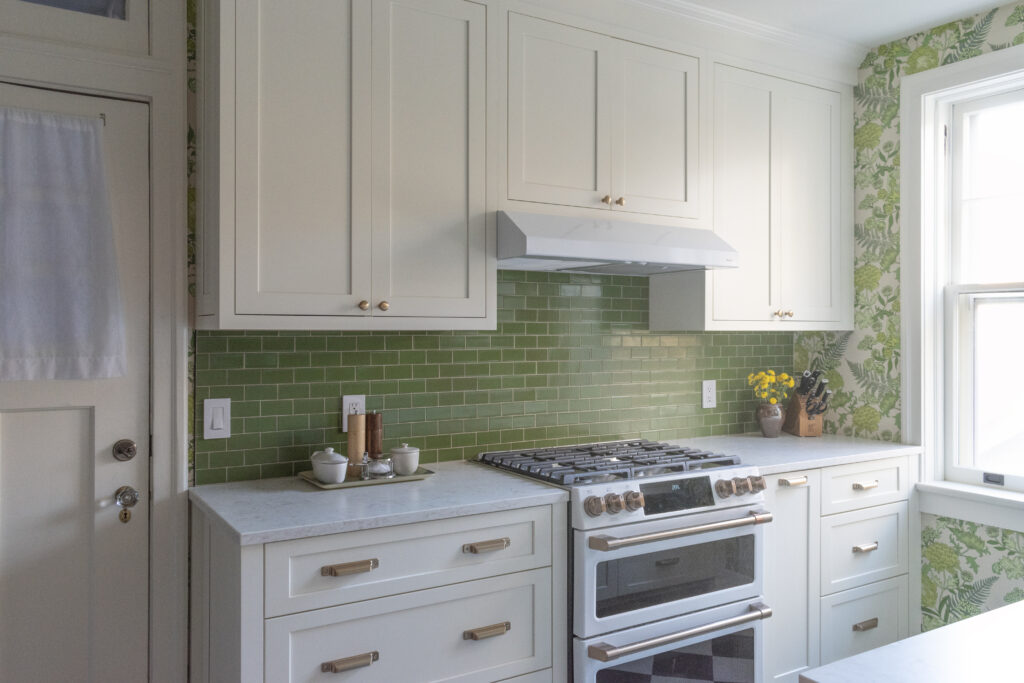
When two globe-trotters traded Seattle’s skyline for the Midwestern charm of a 1920s co-op apartment, they found more than just a new place to live—they uncovered a treasure trove of potential wrapped in layers of neglect. The apartment, located in a 1920s cooperative building, had seen better days. The previous owners had lived there since the early 1980s, and while the space was loved, it had been largely untouched for decades. With outdated electrical, makeshift repairs like duct tape around the windows, and a kitchen in such disrepair it had to be gutted before the new owners could even tour it, the apartment was nearly uninhabitable. But that didn’t deter these adventurous homeowners. Designing with Character: Cory’s Vision Enter SDG’s interior designer Cory Rodeheaver, whose appreciation for historic architecture and passion for thoughtful renovation made him the perfect fit for the project. When asked about this project, Cory said, “I love older homes because of the details they have that you don’t find today, especially in apartments. This home had character that had been neglected, and we were able to breathe new life into it.” Preserving History While Enhancing Functionality The design challenge was to preserve and honor the original character while making the apartment functional for modern living. Every surface and space was rethought and reworked, from the floors and radiators to the light fixtures and storage solutions. An essential part of the project was reconfiguring the layout to improve flow and create a proper entry, enhancing the livability of the space. Maximizing Storage with Thoughtful Customization Storage was a top priority for the homeowners, particularly for their extensive book collection. Custom walnut bookshelves were installed, a new closet was added to the primary bedroom, and another was created in the office. Even the bathroom got a clever storage solution: a dedicated closet for their cats. Restoration of Original Features Throughout the apartment, original features were preserved or restored wherever possible. The radiators were brought back to life, the original tile in the bathroom was maintained, and the cast iron bathtub was refinished to reclaim its classic charm. Windows were restored to their former glory, shedding natural light into rooms now brought back to life with intentional design and color. Bold Wallpaper and Historic Design Influence Speaking of color, this home was anything but timid. The homeowners embraced a bold palette and weren’t afraid to make daring design choices. Four rooms featured wallpaper, three of them in striking William Morris-inspired prints. These patterns reflect the Arts and Crafts movement and the transition into the Art Nouveau styles popular in the 1920s and 30s. The library, bathroom, and kitchen were especially vibrant, blending historical accuracy with fresh, contemporary appeal. Smart Kitchen Renovation in a 1920s Co-op Apartment The kitchen, once a crumbling afterthought, is now a chef’s delight. Designed with flow and function in mind, every element has its place. “I knew it didn’t have to be big,” one of the homeowners noted, “but it needed to be smart.” By turning a back room into a pantry and relocating the refrigerator, Cory freed up valuable space, transforming the kitchen into a model of efficiency. Heath ceramic tiles, chosen to reflect the homeowners’ personal collection, bring artisanal texture and depth to the backsplash. Small Historic Bathroom Remodel with Modern Functionality The bathroom also underwent a dramatic transformation. Originally in a state of disrepair, it now functions beautifully despite its small footprint. It features modern updates seamlessly integrated with the original aesthetic, creating a harmonious blend of old and new. “Every day getting ready in that bathroom is such a joy,” the homeowner said. “It’s small, but somehow it fits everything we need perfectly.” Designing for Living and Entertaining Entertainment was also an important consideration. The homeowners wanted a space that was not just beautiful, but welcoming. Each room was designed with intention, serving a distinct purpose while also contributing to the cohesive flow of the home. Whether it’s hosting dinner parties or curling up with a book in the library, every inch of this apartment is now fully utilized and deeply loved. A Renovation That Honors the Past These types of renovations truly inspire Cory: “Starting with a space that has history, that has stories to tell—there’s so much more to discover. We weren’t just designing an apartment; we were helping to tell the next chapter in its story.” The result is a stunning example of how thoughtful interior design can bridge past and present. From restoring architectural details to selecting bold wallpapers that honor the period, this remodel is a love letter to the building’s heritage and a celebration of vibrant, modern living. The apartment now stands not just as a beautiful home, but as a complete, cohesive work of art—ready for its next hundred years. Thinking about restoring a historic property? Contact us to bring your vision to life. Now, meet the homeowners: Minette & Glen’s Story  

Design a Laundry Room

Design a Laundry Room: The Unsung Workhorse of Your Home 

Let’s be honest. Most of us (me included) don’t look forward to doing laundry. This lack of passion for laundry is apparent in how we design our homes. The laundry room is often an afterthought—tucked into a hallway, squeezed into a closet, or buried in the basement. Yet, for a space that sees daily use, we should design a laundry room that gets as much attention as a kitchen or bath. A room used as much as a laundry room deserves to be thoughtfully designed not only for our enjoyment but also for how we function.   What if your laundry room wasn’t just a place to toss dirty clothes and sort socks? What if it was a beautifully designed, well-organized space that actually made the task feel easier, maybe even enjoyable? A laundry room that works with you instead of against you can be a small luxury that has a big impact on daily life.  Design a Laundry Room That Works for You Think about the flow of your day. You rush to start a load of laundry before you leave for work. Or you juggle multiple tasks at once—folding towels while watching dinner. A well-designed laundry room makes these moments smoother, saving you time and frustration. Consider:  Counter Space That Keeps You Organized: A surface for sorting, folding, and setting things down makes everything easier—no more piling clothes on the nearest chair.  Storage That Keeps the Chaos at Bay: Cabinets or open shelves keep detergents, stain removers, and spare towels neatly tucked away but always within reach.  A Sink for Life’s Messes: Whether it’s soaking a stained shirt or rinsing off muddy soccer cleats, a deep sink turns small annoyances into simple fixes.  Room to Hang and Air-Dry: No more draping damp clothes over furniture. Built-in drying rods and racks keep things neat and wrinkle-free.  Maximize a Small Laundry Room Not everyone has the luxury of a sprawling laundry room, but that doesn’t mean you can’t create efficiency. A well-designed laundry room streamlines household traffic. Design features like stacked appliances, pull-out folding stations, and pocket doors can maximize even the smallest spaces.  Lighting & Ventilation—Details Matter No one wants to fold clothes in a dim, cramped space. Good lighting, whether from a window or well-placed fixtures, makes the room feel inviting, while proper ventilation keeps the air fresh and prevents mildew. These small details make all the difference in how a space feels and functions.  Design a Laundry Room for Style Just because it’s a workspace doesn’t mean it has to feel like one. The laundry room is a great space to make bold design choices you might shy away from in other parts of your home. A welcoming wallpaper, stylish hardware, or even a playful backsplash can turn your laundry room into a space you don’t mind spending time in. A thoughtfully designed room makes mundane tasks feel more pleasant. Laundry Never Stops—Create a Space You Love Between work, family, and the endless cycle of washing, drying, and folding, your laundry room should work for you—not against you. The right design can bring order to the chaos, streamline your routine, and maybe even make laundry feel like less of a chore. So, if you’re building or remodeling, give this space the attention it deserves. Your future self will thank you. 

Excellence in Interior Design

Excellence in Interior Design Doesn’t Just Happen

Usain Bolt didn’t wake up one morning and decide to break the 100-meter world record. F.A. Porsche didn’t sketch the 911 the night before its debut at the 1963 Frankfurt Auto Show. Madam Curie didn’t stumble upon radium by chance. These milestones took years of dedication, setbacks, and relentless passion. Great things rarely just happen and creating a home that truly reflects you is no exception.  We’ve all heard the classic request, “I want excellent quality, I want it fast, and I want it cheap.” And the classic response, “Pick two.” Every project has different priorities: Budget, timeline, or level of design. What matters most to you will shape the path forward. Our process best suits clients who value thoughtful design and the time and resources it takes to achieve it. If speed or cost savings are your top priorities, we’re happy to guide you toward solutions that fit those goals, even if it’s not with us.  Excellence Takes Time  It took years of experiments, breakthroughs, and setbacks for Madam Curie to finally isolate Radium. Your interior design project won’t take that long, but thoughtful spaces aren’t rushed.   A personalized design starts with listening. It’s imperative to get to know you and how you live. Every detail, from how you move through your space to how it makes you feel, matters. The magic happens when we understand how you live and what brings you joy. Whether it’s sourcing one-of-a-kind materials or creating a custom piece just for you, the process is deliberate, and the results are spaces that truly feel like yours.  Excellence Takes Resources  Porsche invested heavily to perfect the 911. While not every project demands that scale, excellence requires an appropriate budget. Quality design takes time, premium materials, and skilled craftsmanship—all valuable investments. Excellence isn’t about spending endlessly; it’s about making intentional choices that reflect your priorities. We’re here to help you invest wisely, ensuring your budget supports both your vision and the quality you deserve.  Excellence is Not Perfection  Excellence isn’t perfection. Excellence is about delivering our very best. We combine our talent, tools, access, and passion to create something exceptional. Excellence is a big part of our culture at SDG. It’s not just about the deliverable. It’s also the experience of getting to the deliverable. Our experience coupled with your trust is what allows your project to reach its maximum level of excellence.  Perfection is elusive, especially in renovations, where every home has its quirks. Our goal isn’t flawlessness; it’s delivering the best possible result with honesty and care. With your trust and our expertise, we’ll navigate challenges together to create something remarkable.   Excellence is Not the Path of Least Resistance  Usain Bolt had amazing natural talent, but it wasn’t until he was in his twenties that he started to take his training seriously. He had to remove distractions and focus intensely on his training. Discipline made him unbeatable.   Excellence isn’t about shortcuts; it’s about doing the hard work to push beyond “good enough.” The same is true with how we approach our work.  We love solving complex design puzzles to make your space not just functional, but extraordinary. Sometimes that means taking the harder route. Choosing a solution that’s more involved but yields a far more satisfying result. We believe you’ll feel the difference every day you live in it.  Committed to Excellence in Interior Design  Next time you step into a beautifully designed space, notice how everything works in harmony—the textures, the lighting, the thoughtful details. Those unseen hours of collaboration, craftsmanship, and intention are what create environments that tell stories, evoke emotion, and enhance everyday life. That’s the kind of excellence we’re committed to delivering for you. 

Dalston Brass Window Cremone Bolt - Antique Brass

Splurge-Worthy Upgrades for Your Kitchen or Bath Renovation

Planning a kitchen or bath renovation is an exciting opportunity to create a beautiful, functional space that is uniquely yours. If you’ve been dreaming about it and have done any amount of research, you may have found your wish list has become long and expensive.   So, how do you reconcile the limitless options and amenities with a limited budget? As a luxury interior design firm, part of our job is to steward our client’s budget. Most projects require some level of compromise to keep costs under control and hiring an interior design firm is a wise first step to keeping within your budget. Over the years, we’ve found there are certain elements in every project that are worth the additional expense. Here are a few items that are on the list.   Custom Cabinetry Cabinetry is not only one of the most visible elements in a kitchen or bath but also takes the most wear and tear. Investing in high-quality cabinets ensures durability and functionality not to mention they look amazing. Custom cabinetry allows for better space utilization and unlocks personalized and efficient storage options inside the casework. Look for a high-quality finish, sequence-matched woodgrain or color with depth, and detailed joinery. Custom cabinetry is individualized and enduring and provides a level of sophistication that stock cabinetry simply cannot.     Why it’s worth it: An investment in fine cabinetry will last for decades and reduce the need for costly replacements in the future.  Countertops This is probably the most obvious one on the list. The countertops are often the first thing people notice when they walk into the room. Beautiful tops will elevate a space even if the rest of the materials are unremarkable. It can be a bold way to give personality to your room, especially when natural materials like quartzite with a distinctive veining pattern are selected. Beyond their beauty, your countertops see daily use, so I recommend choosing materials that can handle the wear for the long term.   Why it’s worth it: A distinctive countertop elevates any space and provides a worry-free surface for cooking, cleaning, and entertaining.  Lighting Lighting is one of the most overlooked components of interior design.  Good lighting transforms a space from average to extraordinary. Proper task lighting makes a space more functional. Ambient and accent lighting work together to set the mood and desired emotional response of your room. Good lighting makes the finishes in your space come alive. Imagine preparing a meal under perfectly placed pendant lights or enjoying the warm glow of dimmed accent lighting in the evening. The secret lies in layering light and planning its placement early in the design phase. This doesn’t mean that every decorative fixture needs to be the finest statement piece. It’s the quality and controllability (dimmers and layering) of light that matter most.  Why it’s worth it: Proper lighting doesn’t just illuminate—it elevates. It enhances usability, highlights your design, and creates a lasting impression.  Heated Floors Heated porcelain or natural stone tile floors are a luxury well worth the spend, especially if your home is in a northern climate. Don’t get cold feet when deciding to add this detail. Your new spa-like bathroom should be a place where you want to linger. Heated floors are inviting first thing in the morning, walking out of the shower, and even in the shower. The thermostat can be controlled for timing and temperature from your phone or home automation system, so you are only heating the floors when needed.  Why it’s worth it: Heated floors are pure luxury and make your bathroom a place you want to spend time in.  Cabinet Hardware A well-designed space is all about the details and here is another detail that is often overlooked. Cabinet hardware (knobs & pulls) provides an amazing opportunity for personalization and an understated expression of luxury. Modern finishes clean easily and repel fingerprints or choose a living finish like brass that patinas beautifully with age. This simple detail can be the most critical decision in creating the overall aesthetic of your room. Take the extra time and budget required to select hardware that compliments and elevates your space.  Why it’s worth it: Details matter. This is a relatively low-cost splurge to take your room from commodity to unexpected luxury.  Bidet Toilet If you know, you know. This is a game-changer that is finally catching on in North America. Advances in technology and design have made bidets much more approachable both in budget and operation. Obviously, there are different price points ranging from bidet seats that are just a few hundred dollars to integrated toilets that can exceed $10,000. If your budget doesn’t allow for a fully integrated bidet toilet, spend the money on a quality bidet seat that you can install on a conventional toilet. They are worth the spend.   Why it’s worth it: Hygiene, a luxury experience, and even a conversation piece at an attainable price.  Luxury Interior Designer Hiring a luxury interior designer is no different than hiring an accountant. You can probably do your taxes on your own, but your accountant knows the code and is equipped to minimize your tax liability better than you. An interior designer understands the nuances of good design that are not always obvious. Hiring an interior designer will extend the value of your budget and provide a comprehensive design that considers the details that take it from good to great. Interior designers also have access to materials you wouldn’t necessarily find on your own. Furthermore, an interior design firm that manages the entire project through wrapping up the construction punch list can not only save time and money but also sometimes marriages.   Why it’s worth it: The 10-15% of the construction cost you will pay in design fees will add value to the project far beyond the cost.  Luxury Kitchen and Bath Renovation When planning your kitchen or bath renovation, it’s natural to want to save where you can. However, investing in these key areas pays off in the short

Vintage Home

How to Update Your Vintage Home Without Sacrificing Its Charm

Updating a vintage home is an exciting journey but can also feel daunting—especially when you’re determined to preserve the unique character that makes your home special. The process may seem overwhelming because of the countless choices and decisions. Think of it as giving your charming old house a refreshing new wardrobe while maintaining its personality. I’m here to guide you through modernizing your space while maintaining its timeless charm. Choosing the Right Designer The goal of updating a vintage home is simple: enhance its beauty and functionality without losing its unique essence. The most important step in this journey is to find an interior designer who values your home’s character.   Look for someone with experience, a solid understanding of older homes, and a thorough knowledge of various architectural periods. The right designer should have a broad knowledge of genres and periods, allowing them to navigate the complexities of your vintage home. Budgeting for Your Vintage Home Remodel Once you find the right designer, it’s time to consider the budget. Let’s face it: this type of remodel will probably cost a little more because it takes longer to save millwork, floors, and ironwork and to refresh windows. Knowing this upfront will help you set a realistic budget for your project. Time is also a factor. Be prepared for the possibility that your renovation might extend beyond your initial timeline. These remodels might also take longer than usual, so patience is key as you embark on this exciting journey. Identifying Your Non-Negotiables Before you get lost in the aesthetics, establish your non-negotiables. Your primary focus should be anything in your home that is not functional for how you live and work. Reflect on what aspects of your current layout are not working and how you want to live in your updated space. Identifying your must-haves will greatly influence the remodeling process. For example, if having a 48-inch gas range is non-negotiable, that will significantly affect your kitchen layout. Knowing these priorities helps your designer create a plan that accommodates your needs while respecting the home’s character. Keeping and Replacing Vintage Elements Deciding which vintage elements to keep is essential. This decision should be based on the condition and relevance of each feature. You’re aiming to make your home functional for modern living, so be prepared for some elements that may need replacing. Flexibility is critical during the remodel. Being flexible with some things and trusting that the designer will do their best to keep that original intent for the space, working around whatever obstacle you’ve come up against, is vital for a successful renovation. Vintage homes can surprise you, and your willingness to adapt will make the process smoother. Using original plans or photos of your home can provide valuable insights for your remodel. The resources can help the designer be inspired and see what may have been in the space originally.  This historical context can guide your decisions on what to keep or modify, ensuring you remain true to your home’s roots. As with any renovation, expect the unexpected. Keeping a contingency fund is a wise move, especially for older homes. This buffer allows you to navigate surprises without feeling overwhelmed. Embracing Modern Technology Integrating modern technology into your vintage home can enhance your lifestyle. However, you’ll probably have to make footprint changes to maintain or update some of the things you want.  Smart thermostats, advanced lighting, and integrated sound systems are great ways to elevate your home’s functionality while preserving its charm. Investing in energy-efficient appliances and fixtures is another smart upgrade. These elements help you save on utility costs and can be styled to harmonize with your home’s vintage aesthetic, ensuring that you maintain that classic look. Transform Your Vintage Home Updating your vintage home doesn’t mean sacrificing its unique charm. By choosing the right designer, understanding costs, identifying your non-negotiables, and embracing flexibility, you can create a space that honors the past while providing modern functionality. Are you ready to transform your vintage home? Trust the experts to guide you through this exciting remodeling journey. Contact our design team today to explore how we can help you blend timeless charm with contemporary comfort in your home. Let’s create a space that feels uniquely yours!

Scroll to Top