Spectrum Design Group

historic design

Renovating an older home - Making a 100 year old home work for modern living.

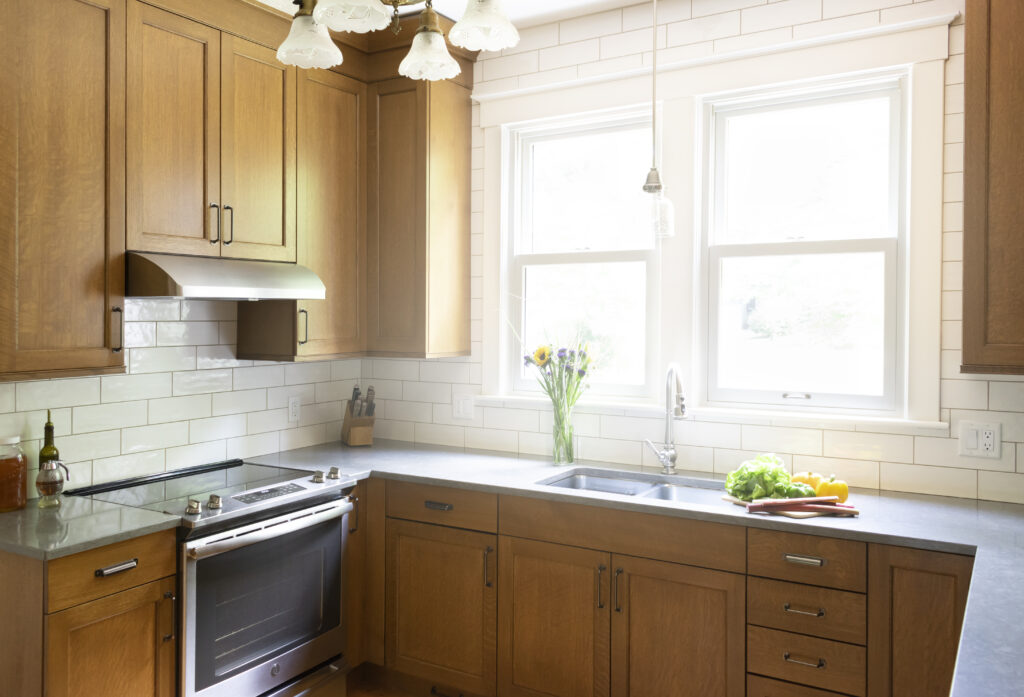
Renovating an Older Home: How to Make It Work for Modern Living

Key Takeaways for Renovating an Older Home Thoughtful renovations can preserve the charm of an older home while improving its function, comfort, and livability. Planning for surprises and having a flexible, experienced team makes all the difference when working with vintage architecture. The goal isn’t to recreate the past, but to design a home that reflects your life today while honoring its original character. What Makes Renovating an Older Home So Worthwhile (and So Complex) You’ve fallen for an older home. Maybe it’s the original wood floors with real patina, the proportions of an arched doorway, or the way light filters through wavy old glass. But more often, it’s something deeper—a sense of story, of possibility. At Spectrum Design Group, we work with clients who want to preserve what makes their home special while aligning it with how they live today. That doesn’t mean historical replication or museum-level preservation. It means thoughtful design that honors the home’s character while making it more functional, comfortable, and personal. House Beautiful recently explored the challenges of updating older homes, particularly how many weren’t built for modern life. We see this all the time in our projects, and it’s why careful planning, realistic expectations, and a strong design process matter so much. Here are five things we always consider when working with older homes: 1. Start with Function, then Layer in Character The homes we work on often have beautiful bones, but awkward layouts. Small, closed-off rooms. Kitchens that don’t connect to living areas. Circulation that doesn’t make sense for how you move through your day. Before we talk about materials, finishes, or aesthetics, we look at how the space needs to function for you. What needs to connect? Where does storage fall short? What layout changes will make your home easier to live in without losing the charm that made you fall in love with it in the first place? Finding that balance, honoring what’s worth keeping while improving what isn’t working, is something we think about in every project. It’s also one of the most rewarding parts of our work. 2. Plan for Surprises. They’re Inevitable. Every renovation comes with unknowns, but older homes? They’re especially good at keeping secrets. We’ve uncovered everything from knob-and-tube wiring to strange plumbing reroutes to floors that have shifted a good inch or more. It happens! The important thing is to plan for this from the start. That includes setting aside a realistic contingency budget and being mentally prepared to make decisions as new information comes to light. Having an experienced team helps both to anticipate what might come up and to respond quickly and calmly when it does. 3. Integrating Modern Comforts into Older Homes Yes, you can have efficient HVAC, proper insulation, smart lighting, and a comfortable layout in a 100-year-old home. You just need to design with intention. We often conceal systems where they won’t interrupt the look and feel of the space. But sometimes, we use contrast to our advantage, letting clean-lined modern elements sit alongside older textures and finishes. The key is knowing when to spotlight original details, when to design around them, and when to simplify so they’re not competing for attention. 4. What to Know About Rules and Codes for Renovating an Older Home There’s a difference between working with a home that’s simply older and one that falls under formal preservation rules. Most of the time, our clients aren’t looking for strict restoration. They want to keep what’s special about the home but don’t want to be limited in every decision. That’s perfectly reasonable! That said, zoning, permitting, and inspections still come into play, and older homes often need more documentation or creative problem-solving to meet code. This is where experience (and relationships with local trades and inspectors) makes all the difference. We’ve navigated it many times and know how to keep things moving forward. 5. Designing a Home that Honors the Past and Fits Your Life Today At SDG, we believe the best design doesn’t just preserve the past, it connects it to the present. Our goal isn’t to recreate a specific year or era. It’s to make your home feel cohesive, grounded, and personal. Sometimes that means honoring original materials. Sometimes it means rethinking a space entirely. What matters is that the end result works for you and the life you’re building inside those walls. Bring New Life to an Older Home Thinking about renovating an older home? We’d love to hear your goals and talk about what’s possible. It starts with a conversation and a design process that respects where your home has been, while focusing on where it’s going.
Smart Kitchen Renovation in a 1920s Co-op Apartment

Trading the Seattle Skyline for Midwestern Charm

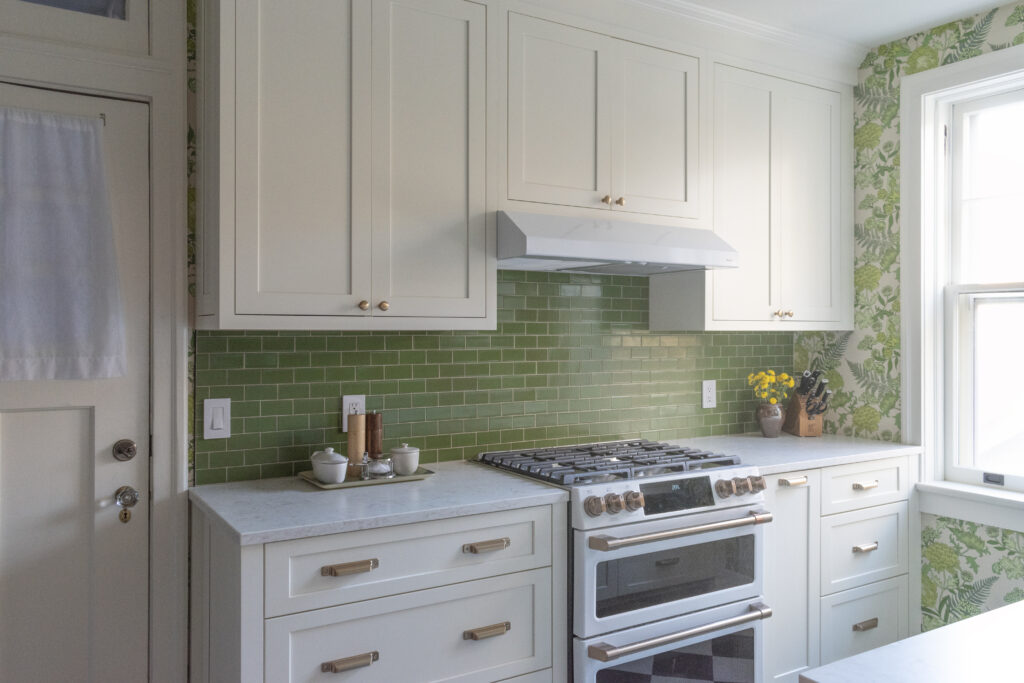
When two globe-trotters traded Seattle’s skyline for the Midwestern charm of a 1920s co-op apartment, they found more than just a new place to live—they uncovered a treasure trove of potential wrapped in layers of neglect. The apartment, located in a 1920s cooperative building, had seen better days. The previous owners had lived there since the early 1980s, and while the space was loved, it had been largely untouched for decades. With outdated electrical, makeshift repairs like duct tape around the windows, and a kitchen in such disrepair it had to be gutted before the new owners could even tour it, the apartment was nearly uninhabitable. But that didn’t deter these adventurous homeowners. Designing with Character: Cory’s Vision Enter SDG’s interior designer Cory Rodeheaver, whose appreciation for historic architecture and passion for thoughtful renovation made him the perfect fit for the project. When asked about this project, Cory said, “I love older homes because of the details they have that you don’t find today, especially in apartments. This home had character that had been neglected, and we were able to breathe new life into it.” Preserving History While Enhancing Functionality The design challenge was to preserve and honor the original character while making the apartment functional for modern living. Every surface and space was rethought and reworked, from the floors and radiators to the light fixtures and storage solutions. An essential part of the project was reconfiguring the layout to improve flow and create a proper entry, enhancing the livability of the space. Maximizing Storage with Thoughtful Customization Storage was a top priority for the homeowners, particularly for their extensive book collection. Custom walnut bookshelves were installed, a new closet was added to the primary bedroom, and another was created in the office. Even the bathroom got a clever storage solution: a dedicated closet for their cats. Restoration of Original Features Throughout the apartment, original features were preserved or restored wherever possible. The radiators were brought back to life, the original tile in the bathroom was maintained, and the cast iron bathtub was refinished to reclaim its classic charm. Windows were restored to their former glory, shedding natural light into rooms now brought back to life with intentional design and color. Bold Wallpaper and Historic Design Influence Speaking of color, this home was anything but timid. The homeowners embraced a bold palette and weren’t afraid to make daring design choices. Four rooms featured wallpaper, three of them in striking William Morris-inspired prints. These patterns reflect the Arts and Crafts movement and the transition into the Art Nouveau styles popular in the 1920s and 30s. The library, bathroom, and kitchen were especially vibrant, blending historical accuracy with fresh, contemporary appeal. Smart Kitchen Renovation in a 1920s Co-op Apartment The kitchen, once a crumbling afterthought, is now a chef’s delight. Designed with flow and function in mind, every element has its place. “I knew it didn’t have to be big,” one of the homeowners noted, “but it needed to be smart.” By turning a back room into a pantry and relocating the refrigerator, Cory freed up valuable space, transforming the kitchen into a model of efficiency. Heath ceramic tiles, chosen to reflect the homeowners’ personal collection, bring artisanal texture and depth to the backsplash. Small Historic Bathroom Remodel with Modern Functionality The bathroom also underwent a dramatic transformation. Originally in a state of disrepair, it now functions beautifully despite its small footprint. It features modern updates seamlessly integrated with the original aesthetic, creating a harmonious blend of old and new. “Every day getting ready in that bathroom is such a joy,” the homeowner said. “It’s small, but somehow it fits everything we need perfectly.” Designing for Living and Entertaining Entertainment was also an important consideration. The homeowners wanted a space that was not just beautiful, but welcoming. Each room was designed with intention, serving a distinct purpose while also contributing to the cohesive flow of the home. Whether it’s hosting dinner parties or curling up with a book in the library, every inch of this apartment is now fully utilized and deeply loved. A Renovation That Honors the Past These types of renovations truly inspire Cory: “Starting with a space that has history, that has stories to tell—there’s so much more to discover. We weren’t just designing an apartment; we were helping to tell the next chapter in its story.” The result is a stunning example of how thoughtful interior design can bridge past and present. From restoring architectural details to selecting bold wallpapers that honor the period, this remodel is a love letter to the building’s heritage and a celebration of vibrant, modern living. The apartment now stands not just as a beautiful home, but as a complete, cohesive work of art—ready for its next hundred years. Thinking about restoring a historic property? Contact us to bring your vision to life. Now, meet the homeowners: Minette & Glen’s Story  

Scroll to Top